
Layered Zirconia Case Studies Every Dentist Should See
Real-world outcomes matter more than material specification sheets when deciding how a restoration will perform in the mouth. Layered Zirconia Case Studies give dentists and labs a practical way to understand how this material behaves across different clinical situations, from anterior esthetic cases to full arch restorations under functional load.
Most clinicians choose materials based on lab brochures or general strength ratings, without ever seeing how those numbers translate into actual mouth performance. A crown that tests well under lab conditions can still behave unpredictably once real bite forces and patient habits come into play. This gap between lab data and clinical reality is exactly why documented case outcomes carry more practical weight than specification sheets alone. Looking at how restorations perform across different patient types gives a far more honest picture of what to expect.
This guide breaks down the clinical patterns seen across common layered zirconia cases, what typically drives success or failure, and how practices can apply these insights to their own case planning.
What Is Layered Zirconia and Why Do Case Studies Matter?
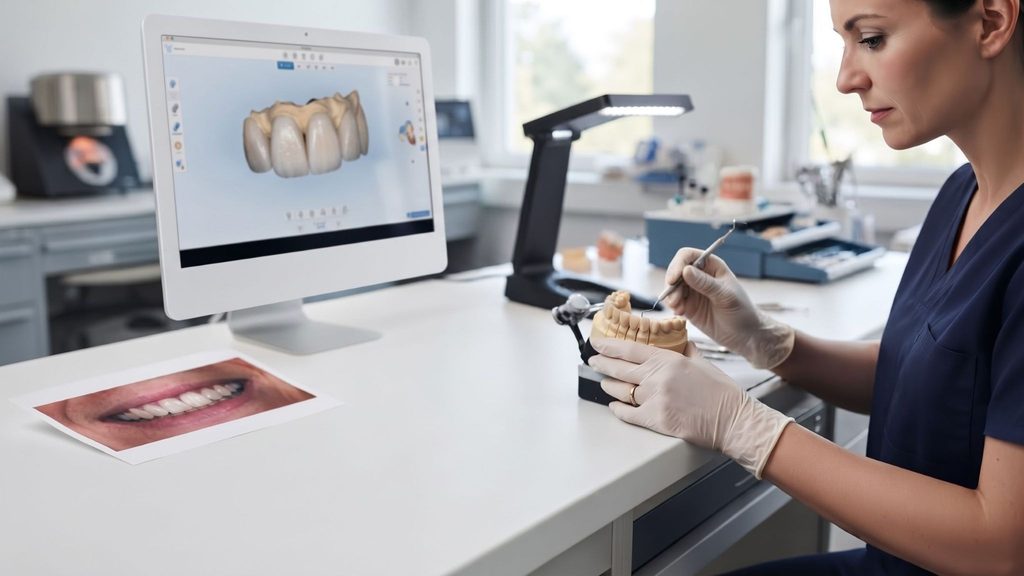
Layered zirconia is a restoration built from a high-strength zirconia core with a porcelain layer applied over it to improve translucency and natural light reflection. The zirconia core provides structural strength, while the porcelain layer delivers the esthetic depth that monolithic restorations sometimes lack in anterior cases.
Case studies matter because they show how this two-material combination actually holds up over time, rather than relying only on manufacturer claims or lab-based strength testing. Reviewing documented outcomes helps clinicians predict which cases are genuinely suited to layered zirconia and which ones carry higher risk.
What Do Common Layered Zirconia Clinical Cases Look Like?
Across general practice and prosthodontic settings, certain case types appear repeatedly when layered zirconia is selected as the restorative material. Recognizing these patterns helps clinicians anticipate outcomes before treatment even begins.
Typical layered zirconia clinical cases generally fall into a few recurring categories:
- Anterior single unit crowns, where esthetics and light transmission are the primary clinical priority
- Multi unit anterior bridges, requiring consistent shade matching across several connected units
- Implant supported restorations, where the zirconia core adds strength around the implant interface
- Cases involving thin biotype patients, where translucency needs to mimic natural enamel closely
- Smile makeover cases, where several layered zirconia units are placed together for a unified esthetic result
Each of these case types places different demands on the material, which is why outcome patterns vary depending on where layered zirconia is used in the mouth.
How Do Layered Zirconia Clinical Results Compare Across Case Types?
Clinical results for layered zirconia tend to differ significantly based on location in the mouth and the functional forces involved. Anterior cases generally show strong long term esthetic results, since these teeth experience lower occlusal loads compared to posterior teeth.
Posterior zirconia crown cases using layered zirconia show a different pattern. The porcelain layer is more prone to chipping in molars and premolars due to higher bite forces, which is why many clinicians reserve layered zirconia primarily for anterior and esthetic zone cases rather than heavy load posterior restorations.
Which Factors Determine Success in Layered Zirconia Case Studies?
Several variables consistently separate successful long term outcomes from early failures across documented layered zirconia cases. Understanding these factors allows both dentists and labs to plan cases more predictably.
Key factors that influence outcomes include:
- Occlusal force distribution, since heavier bite forces increase the risk of porcelain chipping over time.
- Core to veneer bonding quality, which directly affects how well the porcelain layer stays attached to the zirconia core.
- Case selection accuracy, meaning the restoration type matches the patient’s actual functional and esthetic needs.
- Digital design precision, since accurate anatomical shaping reduces stress concentration points in the final restoration.
- Laboratory fabrication consistency, as variation in layering technique between technicians can significantly affect long term durability.
When these factors align well, layered zirconia cases tend to show strong, predictable performance over several years of function.
Why Do Some Layered Zirconia Dental Cases Fail Early?
Early failures in layered zirconia restorations usually trace back to a small set of recurring causes rather than random material defects. Identifying these patterns helps practices avoid repeating the same mistakes across future cases.
Interestingly, these failures rarely stem from the zirconia core itself, which tends to hold up structurally even when other aspects of the case go wrong. The porcelain veneer and the interface between the two materials are almost always where problems actually surface. That distinction matters when deciding whether the issue calls for a design change or a different material altogether.
The most common causes of early failure include placing layered zirconia in high-force posterior sites without adequate occlusal adjustment, inconsistent porcelain application during fabrication, and inadequate case selection for patients with untreated parafunctional habits like bruxism. Poor fit at the margin, often resulting from imprecise digital scanning, also contributes to premature failure in a meaningful number of documented cases.
How Does Digital Workflow Improve Layered Zirconia Clinical Cases?
Digital design and milling have measurably improved consistency across layered zirconia restorations compared to older manual fabrication methods. Precise digital scanning reduces margin discrepancies, while CAD based design allows for more accurate anatomical contouring before the porcelain layering process even begins.
This precision matters directly for long term case outcomes, since a well fitted, accurately contoured zirconia core gives the porcelain layer a stronger, more stable foundation. Labs using AI assisted design systems can also standardize anatomical shaping across multiple units, which reduces the shade and contour inconsistencies sometimes seen in fully manual layering techniques, a factor that shows up repeatedly across documented Layered Zirconia Clinical Results.
What Should Dentists Look for When Reviewing Layered Zirconia Case Studies?
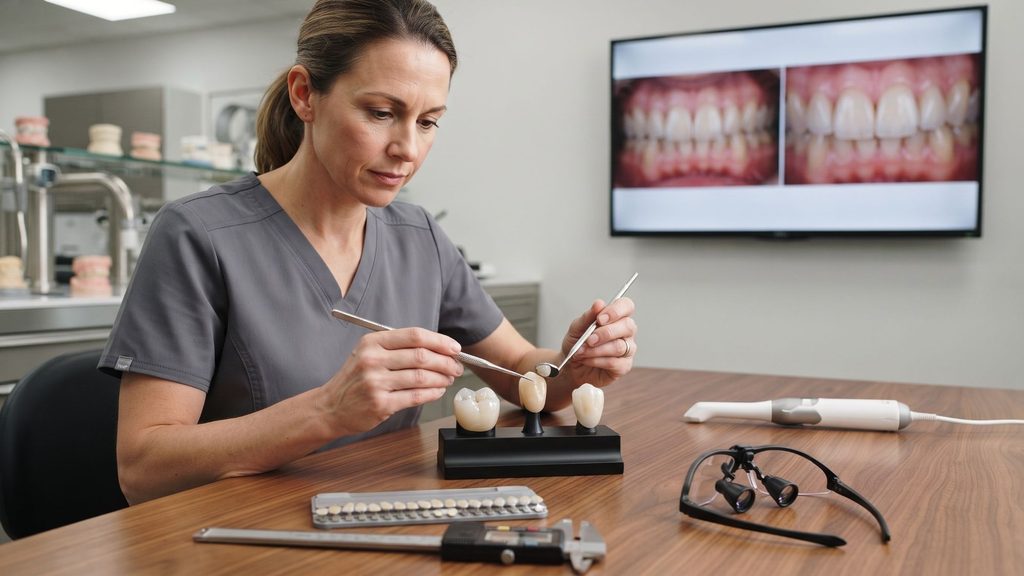
Not all case studies carry equal clinical value, and dentists benefit from knowing what to actually look for when evaluating documented outcomes. A few key details separate genuinely useful case data from surface level marketing material.
When reviewing case documentation, prioritize these details:
- Follow-up duration, since short-term success doesn’t guarantee long-term stability
- Occlusal force context, meaning whether the patient had normal or heavy bite forces
- Fabrication method used, whether fully digital, hybrid, or traditional layering techniques
- Documented complications, including any chipping, debonding, or shade mismatch over time
- Case selection rationale, explaining why layered zirconia was chosen over alternative materials
Case studies that include this level of detail give a far more reliable picture of expected performance than generalized success claims alone.
Why Work With Zirconia Express on Your Layered Zirconia Case Studies?
Consistent, predictable outcomes in layered zirconia cases depend heavily on the laboratory handling fabrication, not just the material specification itself. Small variations in layering technique, digital design accuracy, and finishing protocol can meaningfully affect how a case performs years down the line.
Zirconia Express produces premium zirconia crowns and bridges backed by up to a 5-year warranty, giving practices a dependable foundation for both anterior esthetic cases and more complex multi-unit restorations. High-strength zirconia paired with careful attention to natural esthetics means dentists don’t have to compromise durability to achieve a result patients are happy with.
For practices working within a digital workflow, Zirconia Express also offers AI-powered digital dental cases with three anatomical shape options, supporting more precise, consistent case planning from design through fabrication. This combination of consistent quality and reliable turnaround gives dentists a stronger foundation for building their own successful layered zirconia case studies over time, rather than relying on inconsistent lab results.
If your practice wants a laboratory partner that understands the clinical nuances behind long-term zirconia case success, reaching out to Zirconia Express is a practical next step.
Conclusion
Layered Zirconia Case Studies consistently show that outcomes depend far more on case selection, occlusal planning, and fabrication precision than on the material alone. Understanding these patterns helps dentists make more confident restorative decisions rather than relying on generalized assumptions about how zirconia performs.
For labs and practices reviewing Layered Zirconia Dental Cases going forward, the clearest path to predictable results lies in matching each case to its appropriate clinical context and working with a fabrication partner that maintains consistency across every unit produced. Applying these lessons consistently is what separates reliable long-term restorations from cases that need early revision.
FAQ’s
What is the main advantage of layered zirconia over monolithic zirconia?
Layered zirconia offers improved esthetics and translucency compared to monolithic zirconia, making it a preferred choice for anterior cases where natural light reflection and shade blending matter most.
Are layered zirconia crowns suitable for posterior teeth?
Layered zirconia can be used posteriorly, but the porcelain layer carries a higher chipping risk under heavy occlusal forces, which is why many clinicians reserve it primarily for anterior or lower load restorations.
How long do layered zirconia restorations typically last?
With proper case selection and consistent fabrication quality, layered zirconia restorations can perform reliably for many years, though longevity depends heavily on occlusal forces and bonding quality between the layers.
What causes porcelain chipping in layered zirconia crowns?
Porcelain chipping is usually caused by excessive occlusal force, inconsistent layering technique during fabrication, or inadequate support from the underlying zirconia core in high-stress areas.
Does digital design improve outcomes in layered zirconia dental cases?
Yes, digital design improves fit accuracy and anatomical precision, which creates a more stable foundation for the porcelain layer and reduces the likelihood of complications compared to fully manual fabrication methods.