

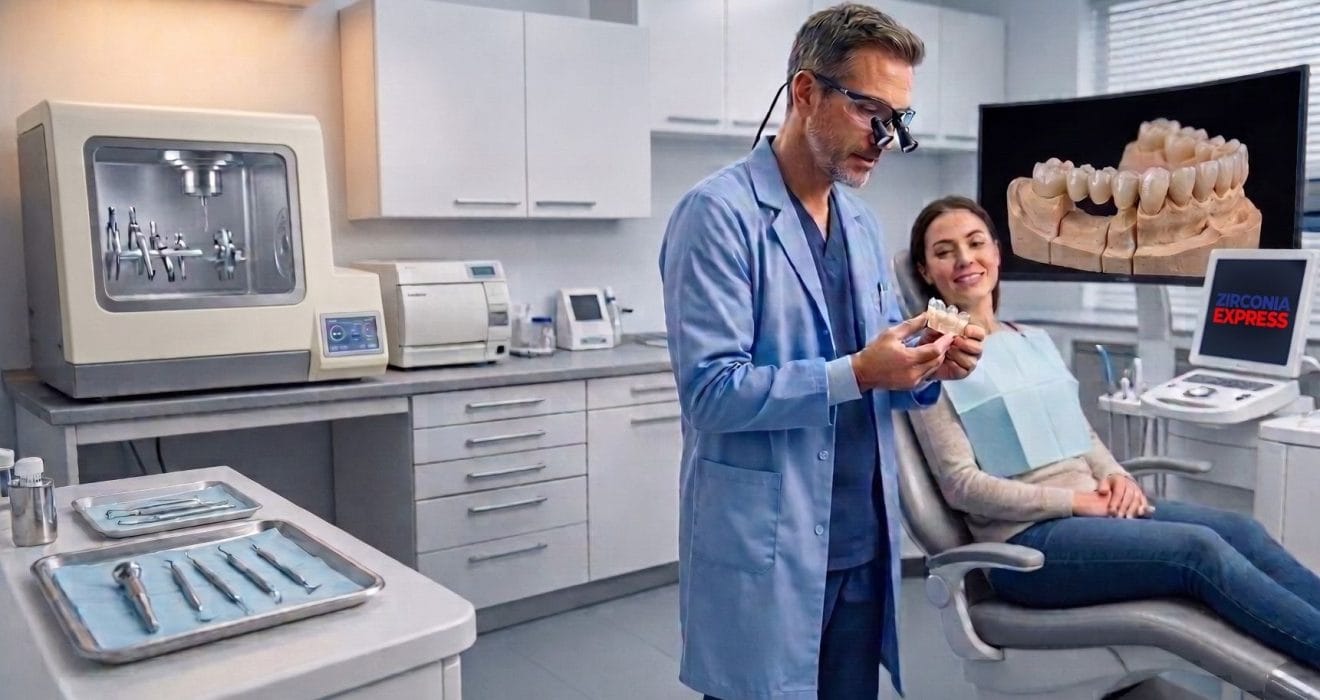
PFZ Layered Zirconia Dental Explained: Everything Dental Professionals Need to Know
Modern restorative dentistry demands materials that deliver exceptional strength without compromising esthetics. Patients expect restorations that blend seamlessly with natural teeth, while clinicians prioritize durability, predictable outcomes, and efficient workflows. This is where PFZ Layered Zirconia Dental continues to play an important role.
Although monolithic zirconia has gained popularity for posterior restorations, PFZ Layered Zirconia Dental remains the preferred solution when superior esthetics is the primary objective. By combining a strong zirconia framework with hand-layered porcelain, this restoration offers both structural integrity and lifelike translucency.
Selecting the most appropriate restorative material involves more than comparing strength and appearance. Dentists must also evaluate clinical indications, long-term performance, preparation requirements, and patient expectations before making a recommendation. This article provides a practical overview of layered zirconia restorations, explaining how they are fabricated, where they perform best, their clinical advantages and limitations, and how they fit into today’s digitally driven restorative workflows.
What Is PFZ Layered Zirconia Dental?
One of the most common questions clinicians ask is, what is a layered zirconia crown?
A layered zirconia crown is a restoration built using two complementary materials. The internal coping is milled from high-strength zirconia, while the outer surface is carefully layered with esthetic dental porcelain. This combination provides excellent mechanical performance together with highly natural optical properties.
Unlike fully monolithic restorations that are fabricated from a single zirconia block, PFZ Layered Zirconia Dental incorporates artistic porcelain layering to reproduce enamel depth, incisal translucency, subtle surface texture, and individualized characterization.
The result is a restoration that closely resembles natural dentition, particularly in highly visible areas of the smile.
Why PFZ Layered Zirconia Dental Remains Relevant
Digital dentistry continues to evolve, yet PFZ Layered Zirconia Dental remains a dependable restorative option because it balances several important clinical objectives.
Its zirconia substructure provides exceptional fracture resistance while the porcelain layer enhances appearance in ways that monolithic materials sometimes cannot fully achieve.
Many dentists continue selecting PFZ dental crowns for patients who place a high priority on cosmetic outcomes, especially when restoring anterior teeth or replacing existing porcelain restorations.
When fabricated by an experienced dental laboratory following strict quality-control protocols, PFZ restorations consistently provide long-term functional and esthetic success.
How PFZ Layered Zirconia Dental Is Manufactured
The quality of a PFZ restoration depends heavily on both digital technology and laboratory craftsmanship.
The manufacturing process generally includes:
- Digital intraoral scan or conventional impression
- CAD software design of the restoration
- Precision milling of the zirconia coping
- High-temperature sintering for maximum strength
- Application of bonding materials
- Hand-layering of esthetic porcelain
- Individual characterization and staining
- Final glazing and polishing
- Comprehensive quality inspection
Unlike fully automated restorations, the porcelain layering stage requires skilled technicians who understand anatomy, translucency, light reflection, and color gradients.
This human artistry is one reason why premium laboratories continue producing porcelain layered zirconia restorations despite advances in fully digital manufacturing.
Material Properties That Make PFZ Layered Zirconia Dental Unique
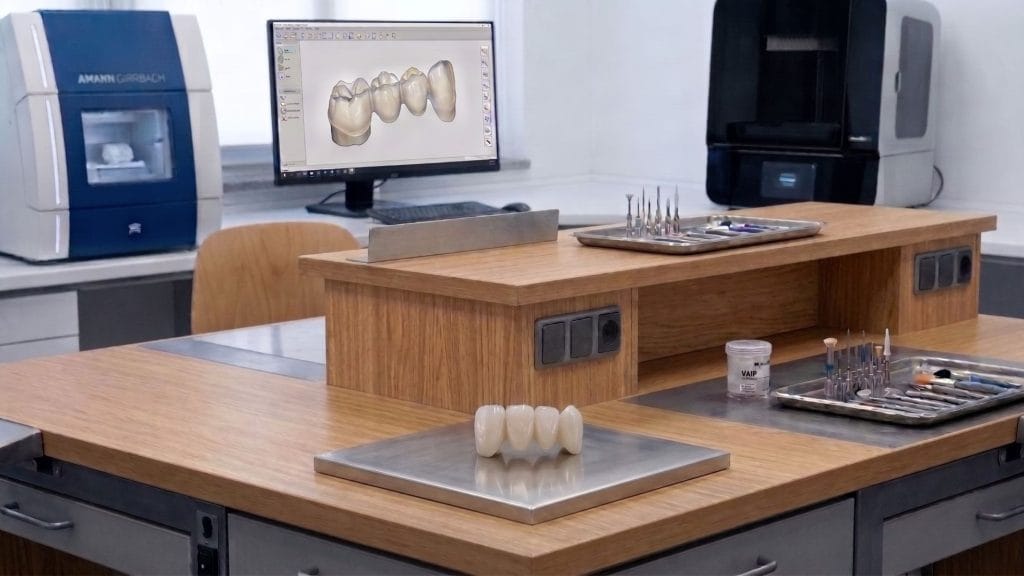
The combination of zirconia and porcelain allows PFZ restorations to benefit from the strengths of both materials.
What the Zirconia Coping Contributes
- High flexural strength
- Excellent fracture resistance
- Superior marginal stability
- Long-term structural durability
- Excellent biocompatibility
What the Porcelain Layer Contributes
- Natural translucency
- Realistic enamel effects
- Customized shade matching
- Surface texture resembling natural teeth
- Enhanced esthetic integration
Together, these characteristics make PFZ Layered Zirconia Dental an excellent option when appearance and function must work together.
Clinical Indications for PFZ Layered Zirconia Dental
Understanding the proper indications for PFZ layered zirconia helps clinicians maximize restoration longevity while meeting patient expectations.
PFZ restorations are commonly recommended for:
- Maxillary anterior crowns
- Highly visible premolars
- Cosmetic smile rehabilitation
- Multiple anterior units requiring excellent shade blending
- Implant-supported anterior crowns
- Cases requiring customized characterization
- Patients replacing older porcelain-fused-to-metal restorations
These restorations are particularly valuable when achieving natural translucency is more important than maximizing occlusal strength alone.
Careful case selection significantly improves long-term clinical performance.
Advantages of PFZ Layered Zirconia Dental
Several clinical advantages explain why PFZ Layered Zirconia Dental continues to be prescribed despite the growing availability of monolithic alternatives.
Outstanding Esthetics
The layered porcelain mimics natural enamel by reproducing light transmission, fluorescence, and internal color variation. This creates restorations that are often difficult to distinguish from adjacent natural teeth.
Strong Internal Framework
The zirconia coping supports the porcelain while providing excellent resistance against functional forces.
Customized Smile Design
Dental technicians can individualize each restoration with subtle staining, incisal halos, mammelons, and surface anatomy to match surrounding teeth.
Excellent Tissue Compatibility
Zirconia demonstrates exceptional biocompatibility and promotes healthy soft tissue response, making it a trusted restorative material.
Metal-Free Restoration
Patients seeking highly esthetic, metal-free solutions frequently prefer PFZ restorations over traditional porcelain-fused-to-metal crowns.
Limitations Dentists Should Consider
Every restorative material has limitations, and PFZ Layered Zirconia Dental is no exception.
Potential considerations include:
- Porcelain chipping under excessive occlusal stress
- Higher laboratory technique sensitivity
- Longer production time compared with monolithic restorations
- Increased cost due to artistic porcelain layering
- Not always ideal for severe bruxism cases
Proper occlusal adjustment, thoughtful case selection, and experienced laboratory fabrication greatly reduce these risks.
PFZ Layered Zirconia Dental Compared with Monolithic Zirconia
Although both restorations contain zirconia, they serve different clinical purposes.
Monolithic zirconia emphasizes maximum strength because the restoration is milled from a single zirconia block.
By comparison, PFZ Layered Zirconia Dental prioritizes superior aesthetics through porcelain layering.
In many anterior cosmetic cases, dentists continue choosing layered zirconia dental crowns because the enhanced translucency and natural color transitions are difficult to replicate with monolithic restorations alone.
For posterior teeth experiencing heavy chewing forces, monolithic zirconia may often be the preferred option.
Rather than competing materials, they should be viewed as complementary restorative solutions.
Common Clinical Applications
Dentists frequently prescribe PFZ dental crowns for cases involving:
- Single central incisors
- Lateral incisors
- Canines
- Cosmetic veneers replacing older restorations
- Implant-supported anterior crowns
- Short-span anterior bridges
- Smile makeover cases
- Patients with high esthetic expectations
Selecting the proper restoration depends on occlusion, parafunctional habits, remaining tooth structure, and patient expectations.
Factors That Influence Long-Term Success
Several clinical factors influence restoration longevity.
Proper tooth preparation creates adequate porcelain support while maintaining sufficient zirconia thickness.
Accurate impressions or digital scans minimize marginal discrepancies and improve restoration fit.
Occlusal adjustment reduces concentrated stress on the porcelain layer.
Patient education regarding night guards for bruxism cases also contributes to long-term success.
Finally, partnering with a high-quality dental laboratory ensures consistent manufacturing standards and reliable restorative outcomes.
Digital Dentistry Is Improving PFZ Workflows
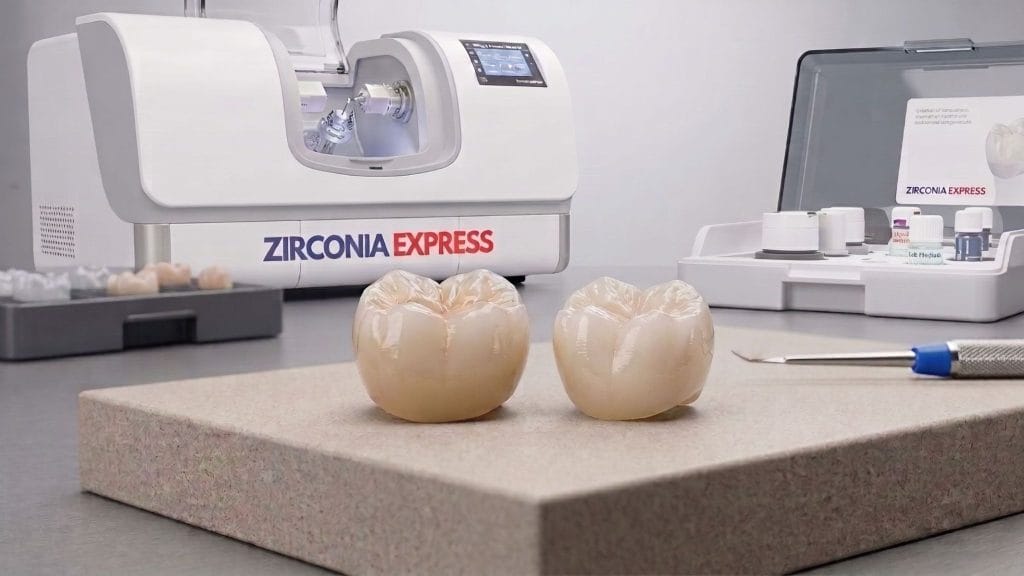
Today’s digital workflows have significantly improved the fabrication of PFZ (Layered Zirconia) restorations.
Modern CAD/CAM systems allow technicians to create highly accurate zirconia frameworks before porcelain layering begins.
Digital design also improves:
- Marginal precision
- Internal fit
- Occlusal accuracy
- Consistency between cases
- Faster communication between dentists and laboratories
While porcelain application still relies on technician expertise, digital workflows reduce remakes and increase predictability throughout production.
Questions Dentists Should Ask Their Dental Laboratory
Before prescribing PFZ restorations, dentists benefit from discussing several important topics with their laboratory.
These include:
- Which zirconia material is being used?
- How is porcelain bonded to the zirconia framework?
- What quality-control procedures are followed?
- Are restorations individually characterized?
- What warranty is provided?
- What turnaround time can be expected?
- Is digital case submission available?
These conversations help establish clear expectations and improve clinical outcomes.
Partner with Zirconia Express for Reliable PFZ Restorations
Choosing the right dental laboratory can have just as much impact on restoration success as selecting the right material. At Zirconia Express, dentists receive precision-crafted zirconia crowns and bridges manufactured with consistent quality standards and backed by warranties of up to five years. Every restoration is produced with careful attention to fit, esthetics, and durability, helping practices deliver dependable results while reducing the likelihood of remakes.
For practices embracing digital dentistry, Zirconia Express also offers advanced digital case solutions powered by AI-driven design systems with three available restoration shapes. Digital submissions simplify communication, improve workflow efficiency, shorten production timelines, and make case management easier for busy dental teams. Whether you’re restoring a single anterior tooth or planning a full-mouth rehabilitation, partnering with an experienced North Carolina dental laboratory helps create predictable restorative outcomes.
Conclusion
Selecting the right restorative material depends on balancing function, esthetics, patient expectations, and long-term reliability. For cases demanding highly natural smile aesthetics, layered zirconia dental crowns continue to provide an excellent combination of beauty, strength, and customization. When fabricated by a skilled laboratory and prescribed appropriately, they remain one of the most dependable solutions for anterior restorative dentistry.
As digital dentistry continues to evolve, PFZ Layered Zirconia Dental remains a valuable restorative option rather than an outdated one. Its ability to combine a durable zirconia foundation with handcrafted porcelain artistry makes it an outstanding choice for dentists seeking predictable cosmetic results and long-lasting patient satisfaction. By partnering with a trusted laboratory and selecting cases carefully, clinicians can confidently incorporate PFZ restorations into everyday practice.
FAQ,s
How long do PFZ Layered Zirconia Dental restorations typically last?
With proper oral hygiene, regular dental checkups, and good occlusal management, PFZ restorations can last 10–15 years or longer. Their longevity also depends on the quality of the dental laboratory and the patient’s oral habits.
Are PFZ dental crowns suitable for back teeth?
They can be used for posterior restorations in selected cases, but dentists often prefer monolithic zirconia for patients with heavy biting forces or bruxism because it offers greater resistance to chipping.
How do layered zirconia dental crowns compare to porcelain-fused-to-metal (PFM) crowns?
Layered zirconia dental crowns provide a metal-free solution with improved esthetics, better translucency, and excellent biocompatibility. They also eliminate the risk of dark metal margins becoming visible over time.
Can PFZ restorations be matched to natural teeth?
Yes. Because the porcelain is individually layered and characterized, dental technicians can closely match the shade, translucency, and anatomy of adjacent natural teeth for a seamless smile.
Why is choosing the right dental laboratory important for PFZ restorations?
A skilled dental laboratory ensures accurate fit, proper porcelain layering, durable bonding, and consistent quality. This helps reduce remakes and supports long-term clinical success.

1 Comment