

Full Contour Zirconia Indications: When to Use It
Full Contour Zirconia Indications center on cases involving heavy occlusal load, limited interocclusal space, posterior restorations, and patients with a history of restoration failure. These clinical signals help determine when monolithic zirconia is the more defensible choice over layered alternatives.
Many practices default to whichever zirconia type they’re most used to prescribing, without actually revisiting whether it fits the specific case in front of them. That habit-based approach works fine until a high-load or high-risk case ends up with the wrong material, leading to an early remake that costs both the practice and the patient time. Knowing the actual clinical indications ahead of time removes that guesswork entirely.
This guide walks through each indication in practical terms, so you can match the material to the case rather than defaulting to habit.
What Does Full Contour Zirconia Mean in Restorative Dentistry?
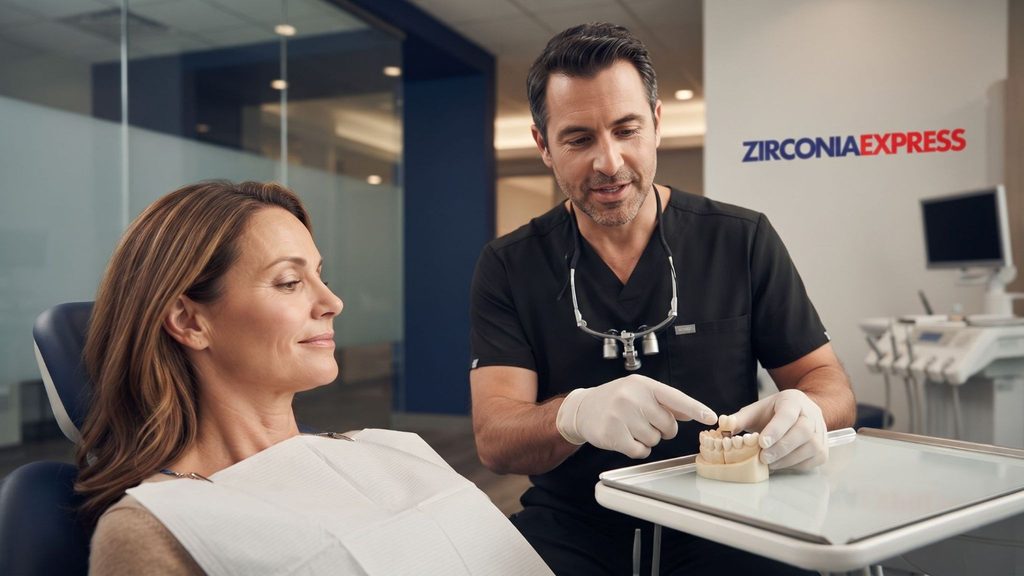
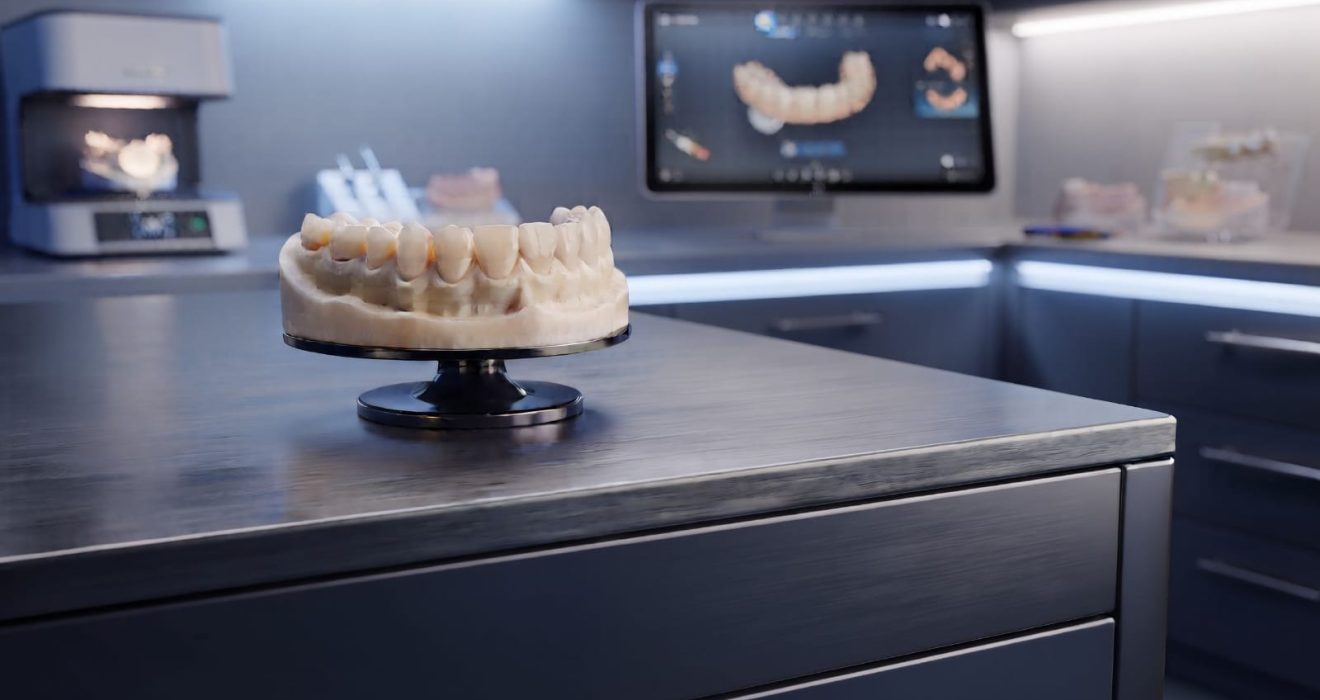
Full contour zirconia refers to a monolithic restoration milled entirely from a single zirconia block, without a porcelain layer added for esthetics. This construction removes the most common failure point seen in layered restorations, since there’s no veneer to chip or delaminate over time.
Because the entire restoration is one uniform material, it distributes occlusal force more predictably than layered systems. This structural simplicity is exactly why full contour zirconia has become a go-to option for high-load clinical situations.
Material formulations have also improved considerably over the past several years, with newer high-translucency zirconia blends narrowing the esthetic gap that once made full contour restorations look noticeably more opaque than layered options. This shift matters clinically, since it means strength and acceptable esthetics are no longer mutually exclusive in most posterior and even some anterior applications.
What Are the Primary Full-Contour Zirconia Clinical Indications?
The clearest full-contour zirconia clinical indications involve cases where structural durability matters more than maximum esthetic translucency. These situations typically call for a material that can handle repeated, heavy functional stress without compromising longevity.
Common clinical indications include:
- Posterior molar and premolar restorations bearing the majority of occlusal load
- Patients with diagnosed or suspected bruxism, where repetitive grinding forces are a factor
- Cases with limited interocclusal space, requiring a thinner yet structurally strong material
- Implant-supported restorations, where added strength around the implant interface matters
- History of repeated restoration failure, particularly chipped porcelain or fractured crowns
When several of these factors overlap in a single case, full contour zirconia generally becomes the more predictable restorative choice.
When Should You Choose Full Contour Zirconia for Molars?
Full contour zirconia for molars is typically indicated when occlusal forces are highest and esthetic demands are comparatively lower than in anterior teeth. Molars absorb the bulk of chewing force, making them more prone to chipping in layered restorations.
A monolithic zirconia crown placed on a molar benefits from the material’s full strength without the added vulnerability of a porcelain layer. This makes molars one of the most straightforward and well-supported indications for full contour zirconia in daily practice.
First and second molars in particular carry a disproportionate share of daily chewing load compared to anterior teeth, which is why clinicians rarely hesitate to recommend full contour zirconia once a molar restoration is needed. Even in patients without diagnosed bruxism, the sheer frequency of functional contact on these teeth makes a chip-resistant material a sensible default rather than an exception.
Which Patients Benefit Most From Full-Contour Zirconia Applications?
Certain patient profiles consistently show better long-term outcomes with full-contour zirconia compared to layered alternatives. Recognizing these profiles early in treatment planning helps avoid restorative failures down the line.
Patients who typically benefit most include those with confirmed parafunctional habits like bruxism or clenching, patients with a documented history of chipped or fractured restorations, and those requiring restorations in high-load posterior sites. Elderly patients with reduced enamel thickness or compromised tooth structure also often benefit from the added strength full-contour zirconia provides.
Patients juggling tight schedules or limited follow-up availability represent another group worth considering. Since full-contour zirconia carries a lower long-term chipping risk, it generally requires fewer unplanned adjustment visits compared to layered alternatives, which matters for patients who find it difficult to return for repeated appointments. This durability factor is one of the more practical full-contour zirconia uses that often gets overlooked in scheduling-conscious practices.
How Do Full-Contour Zirconia Indications Differ From Layered Zirconia Indications?
Layered zirconia remains a strong choice for anterior esthetic cases, where light transmission and natural shade blending matter more than maximum structural strength. Full contour zirconia shifts that priority toward durability, making it better suited for cases where function outweighs peak esthetic demands.
| Clinical Factor | Full Contour Zirconia | Layered Zirconia |
| Best suited location | Posterior teeth | Anterior teeth |
| Esthetic priority | Moderate | High |
| Occlusal load tolerance | High | Moderate |
| Chipping risk | Very low | Higher, due to porcelain layer |
| Ideal patient profile | Bruxers, high load cases | Esthetic zone, lower force cases |
This distinction helps clarify why many practices use both materials selectively, rather than choosing one as a universal default across every case type.
What Clinical Signs Suggest Full Contour Zirconia Is the Right Choice?
Several observable signs during examination point toward full contour zirconia as the more appropriate restorative option. Spotting these signs early supports more confident treatment planning conversations with patients.
Watch for the following indicators during clinical assessment:
- Visible wear facets on natural teeth or existing restorations, suggesting active grinding habits.
- Reported jaw tenderness or morning headaches, which often correlate with nighttime bruxism.
- Thin remaining tooth structure, limiting the space available for a layered restoration.
- Previous restoration failures, especially repeated porcelain chipping in the same area.
- Heavy functional demand, such as restorations placed in first or second molars.
When two or more of these signs appear together, full-contour zirconia typically offers a more durable long-term solution than layered alternatives.
Are There Situations Where Full-Contour Zirconia Isn’t the Right Indication?
Full-contour zirconia isn’t always the ideal choice, particularly in highly visible anterior cases where maximum esthetic translucency takes priority over structural reinforcement. These cases fall outside the typical full-contour zirconia applications dentists rely on for durability, and patients with strong esthetic expectations for front teeth may be better served by layered zirconia or other esthetically focused materials.
Additionally, cases with minimal occlusal load and no history of parafunctional habits may not require the added strength full-contour zirconia provides, making a layered option a reasonable alternative in those specific situations.
How Does Digital Workflow Support Accurate Full Contour Zirconia Applications?

Digital scanning and CAD-based design significantly improve the precision of full-contour zirconia restorations, particularly in cases with limited interocclusal space. Accurate digital impressions reduce margin discrepancies and support better anatomical contouring before milling even begins.
This precision matters directly for case success, since a well-fitted zirconia restoration distributes occlusal force more evenly across the supporting tooth structure. Laboratories using AI-assisted design systems can also standardize anatomical shaping across multiple units, which reduces inconsistency compared to fully manual design processes.
Digital workflows also shorten the feedback loop between the clinician and the lab, since scan data can be reviewed and adjusted before milling rather than discovered as a fit issue at delivery. For practices handling multiple full contour zirconia cases weekly, this consistency reduces chair time spent on seating adjustments and lowers the overall remake rate across the practice.
Why Partner With Zirconia Express for Full-Contour Zirconia Indications?
Getting consistent results across full-contour zirconia cases depends heavily on the laboratory producing the restoration, not just the material specification alone. Milling precision, finishing protocol, and design accuracy all directly affect how well a crown performs in high-load clinical situations.
Zirconia Express produces premium zirconia crowns and bridges backed by up to a 5-year warranty, giving dental practices a dependable option for patients who need restorations built for sustained occlusal stress. High-strength zirconia combined with careful attention to natural esthetics means practices don’t have to choose between durability and a result that still looks right in the mouth.
For practices working within digital workflows, Zirconia Express also offers AI-powered digital dental cases with three anatomical shape options, supporting precise, efficient case planning that fits directly into modern digital dentistry protocols. This combination of consistent quality and reliable turnaround makes it easier for dentists to apply the right indications with confidence rather than guesswork about lab variability.
If your practice wants a laboratory partner that understands the clinical nuances behind full contour zirconia case selection, reaching out to Zirconia Express is a practical next step.
Conclusion
Applying Full Contour Zirconia Indications correctly comes down to matching material choice to actual occlusal demand, not defaulting to whatever’s most commonly used in the practice. Posterior load, bruxism history, and limited interocclusal space all point toward full contour zirconia as the more defensible clinical choice.
If you’re reviewing current treatment protocols, the clear next step is checking your full-contour zirconia uses against each patient’s specific risk factors, especially the full-contour zirconia clinical indications covered earlier, before finalizing the restorative plan. That one step helps prevent early failures and supports more predictable long-term outcomes for your patients.
FAQ’s
Is full contour zirconia suitable for anterior teeth?
Full contour zirconia can be used anteriorly, but layered zirconia is often preferred there since it offers better translucency and shade blending for high esthetic demand areas.
Does full contour zirconia work well for bruxism patients?
Yes, full-contour zirconia is particularly well suited for bruxism patients since it eliminates the porcelain layer most prone to chipping under repetitive grinding forces.
Can full contour zirconia be used with limited interocclusal space?
Yes, full-contour zirconia performs well in limited-space cases because it doesn’t require the additional thickness a porcelain layer would demand.
How does full contour zirconia compare to PFM crowns for molars?
Full-contour zirconia generally outperforms PFM crowns in molars because of its higher flexural strength and the absence of a porcelain layer, which can fracture under heavy chewing forces.
What factors should guide the decision between full contour and layered zirconia?
Occlusal load, esthetic priority, available interocclusal space, and patient history of restoration failure should all guide the decision between full contour and layered zirconia.