


Signs of a Failing Dental Crown: 9 Warning Signs
The most common signs of a failing dental crown are lingering pain, sensitivity to hot or cold, a loose fit, visible cracks, and gum changes around the crown. If a patient notices any of these, they should schedule a dental exam soon, not later.
Many patients assume a crown is a permanent fix, so they stop paying attention to it once treatment ends. In reality, a crown works under constant pressure from chewing, temperature changes, and bacteria. Small problems at the crown’s edge can grow quietly for months before they cause real pain. Knowing what to look for helps you act early and avoid a root canal, an extraction, or a costly remake.
A crown protects a weakened tooth, but it does not last forever. Most crowns serve between 5 and 15 years, depending on the material, the fit, and daily habits. This guide covers nine warning signs, what causes them, and when replacement makes sense.
What Are the Signs of a Failing Dental Crown?
A dental crown is considered to be failing when it can no longer provide a proper seal, protect the underlying tooth, or function as intended. Early dental crown failure symptoms are often mild, which is why many patients ignore them for months.
Patients often blame a sore spot on a rough meal or a passing bite issue. Since the crown covers the tooth, the usual warning cues, like visible stains or rough patches, stay hidden from view. By the time discomfort becomes constant, the problem has often moved well past the surface.
A dental crown does not eliminate the risk of decay in the underlying tooth. Once bacteria slip past a weak edge, damage spreads quietly. Catching the problem early often means a simple repair or recementation instead of a new crown or a root canal.
What Are the 9 Warning Signs of a Failing Dental Crown?
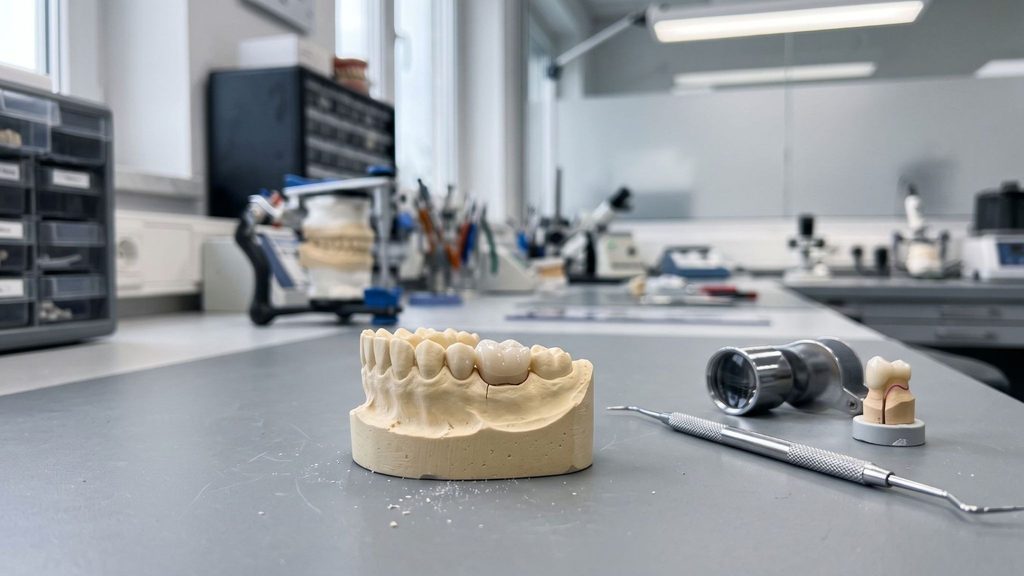
Here is what dentists look for, roughly in the order patients notice them.
1. Lingering Pain or Sensitivity
Brief sensitivity after placement is normal. Pain that lasts for weeks, or sharp zings to hot and cold drinks, usually points to a leaking margin or an irritated nerve.
2. Pain When Biting or Chewing
Pressure pain often signals a high spot, a cracked tooth under the crown, or infection at the root. It rarely resolves on its own, so it deserves a prompt exam.
3. A Loose or Wobbly Crown
Dental cement wears down over time. A crown that shifts, clicks, or feels loose lets bacteria slip underneath, so recementation should not wait.
4. A Visible Crack, Chip, or Wear Spot
Visible damage or unusual sensations may suggest that a crown is no longer in optimal condition. Porcelain can break away in small pieces, and zirconia may crack under excessive loading or contribute to opposing tooth wear. A jagged or rough margin that catches the tongue can be an early warning sign.
5. A Dark Line or Gap at the Gum Edge
A dark margin near the gums may suggest that the gum tissue has receded or the underlying metal has become visible. A visible gap suggests decay could be developing at the margin, where the crown meets the tooth.
6. Swollen, Red, or Bleeding Gums
Gums that stay inflamed around one crown usually react to a poor margin, trapped plaque, or a deeper infection. Brushing harder will not fix it.
7. Bad Taste or Persistent Bad Breath
An unusual sour taste may be linked to tooth decay or leakage around the crown’s edges. If you notice a persistent bad or salty taste, it could indicate an infection that needs immediate dental evaluation.
8. A Bite That Feels Off
A crown that sits too high or has shifted changes how the teeth meet. Patients feel it as soreness, jaw tension, or even headaches.
9. Food Trapping Between Teeth
Food may frequently get stuck between teeth when the contact area is rough or improperly formed. Beyond the annoyance, it drives gum disease and decay at the margin.
Can a Dental Crown Fail Without Any Pain?
Yes. Decay under a crown often progresses silently because the crown hides the tooth surface. As a result, dental crown failure symptoms may not appear until the damage reaches the nerve.
This is why routine X-rays and margin checks matter. Dentists can find trouble long before symptoms appear.
Which Signs of a Failing Dental Crown Need Urgent Care?
Use this table as a quick guide. If anything seems unusual, consult your dental professional.
| Warning sign | Likely cause | How soon to book |
| Lingering sensitivity | Leaking margin, nerve irritation | Within 1 to 2 weeks |
| Pain when biting | High spot, cracked tooth, infection | Within a few days |
| Loose crown | Failed cement, decay underneath | Within a few days |
| Visible crack or chip | Heavy bite force, grinding | Within 1 to 2 weeks |
| Dark line or gap | Recession, decay at the margin | Next available visit |
| Swollen or bleeding gums | Plaque trap, infection | Within 1 to 2 weeks |
| Bad taste or breath | Decay, abscess | Same day if swelling or fever |
| Bite feels off | High crown, shifted tooth | Within 1 to 2 weeks |
| Food trapping | Open contact | Next available visit |
Severe throbbing pain accompanied by facial swelling or fever may indicate a serious dental infection. Seek care the same day.
What Are the Main Causes of Dental Crown Failure?
Understanding the causes of dental crown failure helps dentists prevent repeat problems. Most situations involve one of the following five problems:
- Secondary decay at the margin, the most common reason crowns fail
- Poor fit or open margins from imprecise impressions or scans
- Grinding and clenching, which overload the crown; studies estimate that 8 to 31 percent of adults grind or clench
- Cement failure after years of chewing
- Material mismatch, such as thin porcelain on a heavily loaded molar
Lab quality plays a bigger role than many people realize. Crowns built from accurate digital data and strong materials fit tighter and resist fracture. High-strength zirconia, for example, often exceeds 900 MPa in flexural strength, which is why many practices choose it for back teeth. Labs such as Zirconia Express design cases with digital precision to reduce margin gaps from the start.
When Do Dental Crown Replacement Signs Mean You Need a New Crown?
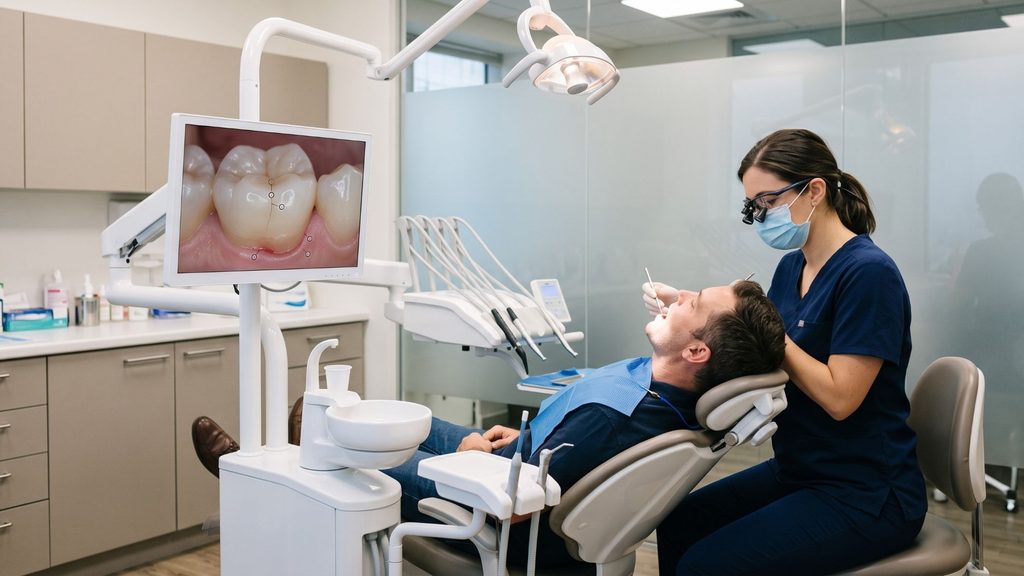
Dental crown replacement signs include recurring decay under the crown, a fracture that exposes the tooth, a margin that cannot be sealed, or an infection that needs root canal treatment. A badly worn or poorly fitting crown may also need replacing even when it does not hurt.
Repair works in limited cases, such as a small chip or a clean, intact crown that only needs recementation. If the tooth beneath has decayed or cracked, a new crown is usually the safer path.
Dentists confirm the diagnosis with X-rays, a probe check at the margin, and a bite test.
How Can You Reduce the Risk of Dental Crown Failure?
Good habits extend crown life by years. A few steps make the biggest difference:
- Brush twice a day and floss around the crown daily, using a floss threader or water flosser
- Consider wearing a night guard at night to reduce the effects of teeth grinding.
- Avoid chewing ice or hard candy, and never open packages with your teeth
- Book checkups every six months so the margins and bite get checked
- Choose a dental lab with precise digital workflows and strong materials
Why Should Dentists Partner With Zirconia Express for Durable Crowns?
Many crown failures start at the lab bench, not the chair. Margin accuracy, material strength, and consistent finishing decide how a restoration behaves five years later. That is why experienced dentists look closely at who makes their crowns.
Zirconia Express, a dental laboratory in North Carolina, produces premium zirconia crowns and bridges with high-strength material and natural aesthetics. Every restoration comes with up to a 5-year warranty, which gives clinics confidence and cuts down on remakes.
The lab also supports modern digital dentistry through AI-powered digital dental cases. Dentists can choose from three digital design shapes, which makes it easier to match anatomy and function to each patient. Consistent quality and reliable turnaround help practices keep their schedules on track.
If you want fewer failures and fewer remakes, reach out to the Zirconia Express team about your next case. A short conversation can show whether their workflow fits your practice.
Conclusion
Recognizing the signs of a failing dental crown early protects the tooth, saves money, and avoids emergency visits. Pain, looseness, cracks, gum changes, and a bite that feels wrong all deserve a prompt exam.
If a dental crown shows dental crown replacement signs, patients should consult their dentist rather than wait for the pain to intensify. Your next step is simple: book a dental exam and ask your dentist to check the crown margin with an X-ray. Acting early often keeps the treatment simple and protects the natural tooth underneath.
FAQ’s
How can I recognize problems with my dental crown?
Watch for lingering pain, a loose feel, visible cracks, gum swelling, a bad taste, or a changed bite. Any of these means you should see your dentist soon.
How long should a dental crown last?
Most crowns last between 5 and 15 years. Material, fit, oral hygiene, and grinding habits all affect the lifespan.
Is a loose dental crown an emergency?
It is urgent but usually not life-threatening. Keep the crown if it falls out and call your dentist within a day or two, since the exposed tooth can decay or break.
Can a failing dental crown be repaired instead of replaced?
Sometimes. Small chips and loose but intact crowns can often be polished or recemented. Decay under the crown or a cracked tooth usually calls for replacement.
Does a failing dental crown always hurt?
No. Decay and margin gaps can develop silently. Regular checkups and X-rays catch problems before pain starts.