

Full Contour Zirconia Implant: The Future of Dentistry
Modern restorative dentistry continues to evolve with materials that combine strength, aesthetics, and long-term reliability. Among the most significant advancements is the full-contour zirconia implant, a restoration solution that has transformed how dentists approach implant-supported prosthetics. As patient expectations rise and digital workflows become more sophisticated, zirconia-based restorations are increasingly preferred by both clinicians and laboratories.
Dental implant technology has come a long way over the past decade, with clinicians constantly searching for materials that can outperform older restorative options. Patients no longer settle for restorations that simply function well they want results that look, feel, and last like natural teeth. This shift in expectations has pushed the dental industry toward stronger, more biocompatible, and more esthetically refined solutions. Zirconia has emerged as one of the leading answers to this demand, reshaping how implant-supported restorations are planned and delivered.
Today, dentists are looking for restorations that deliver predictable outcomes, minimize complications, and provide natural-looking results. A full contour zirconia implant addresses these needs by offering exceptional durability, excellent biocompatibility, and impressive esthetics without compromising functionality.
What Is a Full Contour Zirconia Implant?
A full contour zirconia implant restoration is crafted entirely from monolithic zirconia rather than being layered with porcelain. The restoration is milled from a single block of zirconia, creating a highly durable structure capable of withstanding significant occlusal forces.
Unlike traditional layered restorations, full contour zirconia eliminates the risk of porcelain chipping, which has historically been one of the most common causes of restorative failures. Because the restoration consists of a single material throughout its structure, it provides greater structural integrity and long-term performance.
Many implant-supported crowns and bridges now utilize full-contour zirconia because of its ability to balance strength and aesthetics in both anterior and posterior regions.
Why Full Contour Zirconia Implant Restorations Are Growing in Popularity
Several industry trends have accelerated the adoption of zirconia restorations:
- Increased demand for metal-free dentistry
- Greater use of digital workflows
- Improved zirconia translucency
- Rising patient expectations for natural-looking smiles
- Long-term cost efficiency due to fewer remakes
Clinical studies consistently demonstrate high survival rates for monolithic zirconia restorations over multiple years. These outcomes have encouraged more dentists to recommend zirconia-based implant restorations as a dependable long-term solution.
As CAD/CAM technology continues to improve, the precision and consistency of a full contour zirconia implant restoration have become even more predictable.
Key Advantages of a Full Contour Zirconia Implant
Exceptional Strength
One of zirconia’s most notable characteristics is its impressive fracture resistance. The material can withstand substantial bite forces, making it suitable for patients with heavy occlusion, bruxism, or parafunctional habits. Because the restoration is milled from a solid zirconia block, there is no weak porcelain layer susceptible to chipping or delamination.
Natural-Looking Aesthetics
Modern zirconia materials have evolved dramatically. Earlier generations prioritized strength but lacked translucency. Today’s zirconia formulations provide significantly enhanced optical properties, allowing restorations to blend seamlessly with natural dentition. This makes a full contour zirconia implant suitable for both functional and cosmetic treatment plans.
Excellent Biocompatibility
Zirconia demonstrates remarkable tissue compatibility. Soft tissues generally respond favorably around zirconia restorations, helping create healthy gingival contours and supporting long-term esthetic outcomes. Patients who prefer metal-free restorations often appreciate zirconia’s biologically friendly characteristics.
Reduced Maintenance
Since monolithic zirconia minimizes chipping risks, patients may experience fewer restorative complications over time. Reduced maintenance can improve patient satisfaction while lowering long-term treatment costs.
Understanding Full Contour Zirconia Crown Cost
One of the most common questions dentists receive concerns the full contour zirconia crown cost. Pricing varies depending on several factors:
- Laboratory expertise
- Material quality
- Digital workflow integration
- Implant system compatibility
- Restoration complexity
- Geographic location
While zirconia restorations may initially cost more than some traditional alternatives, many practices view them as a valuable investment because of their durability and lower remake rates.
When evaluating full contour zirconia crown cost, dentists should consider overall value rather than focusing solely on initial expenses. Long-term reliability often results in reduced chair time, fewer adjustments, and improved patient retention.
Full Contour Zirconia vs Layered Zirconia
The discussion around full contour zirconia vs layered zirconia remains relevant in modern restorative dentistry.
Layered zirconia restorations feature a zirconia framework covered with aesthetic porcelain. This design can achieve exceptional aesthetics but introduces an additional material interface that may be susceptible to fracture. Full contour zirconia restorations, by contrast, consist entirely of zirconia throughout the restoration.
Benefits of full contour zirconia include:
- Higher fracture resistance
- Reduced chipping risk
- Better durability
- Consistent long-term performance
- Simplified maintenance
Layered zirconia may still be selected in highly demanding cosmetic cases where maximum characterization is desired. However, many clinicians now prefer monolithic zirconia because advancements in translucency have narrowed the aesthetic gap significantly.
For many implant cases, the comparison between full contour zirconia vs layered zirconia often favors monolithic restorations due to their superior strength profile.
Applications of Full Contour Zirconia in Implant Dentistry
The versatility of zirconia has expanded its clinical applications.
Common indications include:
Single Implant Crowns
Single-unit implant restorations benefit from zirconia’s strength and natural appearance. These restorations can be customized to match surrounding teeth while maintaining excellent durability.
Multi-Unit Implant Cases
Larger restorative cases often require materials capable of withstanding substantial functional loads. A full contour zirconia bridge provides the strength needed for predictable outcomes in complex implant-supported treatments.
Full-Arch Restorations
Full-arch implant rehabilitation increasingly utilizes monolithic zirconia frameworks. These restorations combine strength, esthetics, and longevity while supporting efficient digital workflows.
The Role of Zirconia Implant Bridge Restorations
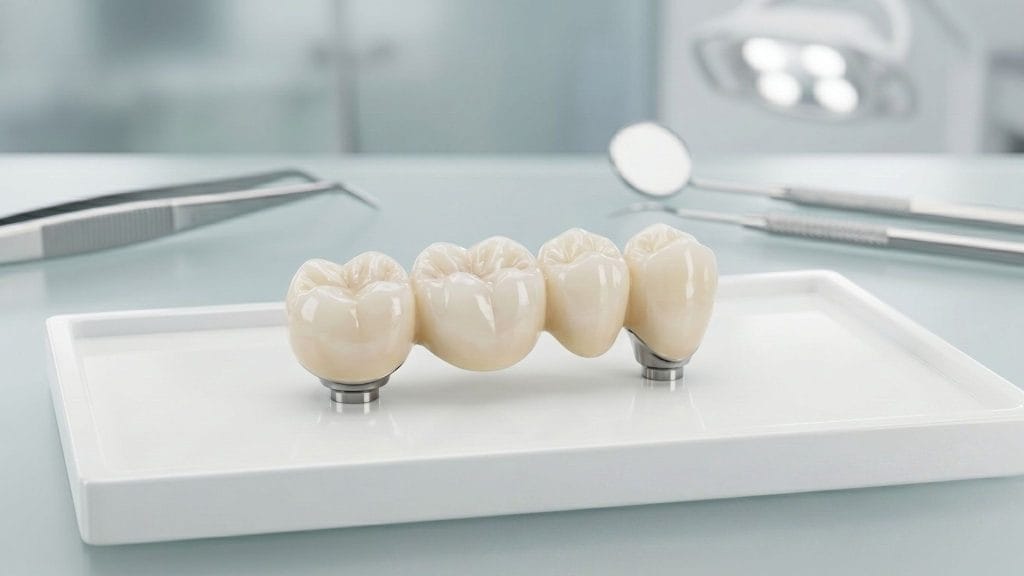
A zirconia implant bridge offers a reliable solution when replacing multiple missing teeth. Because zirconia exhibits excellent mechanical properties, it performs exceptionally well in bridge applications where structural stability is critical.
Benefits include:
- Superior strength
- Long-term durability
- Metal-free design
- Excellent tissue response
- Natural appearance
As patient demand for fixed restorative options grows, zirconia implant bridge solutions continue to gain popularity among restorative dentists and specialists.
Selecting the Best Full Contour Zirconia Crowns
Not all zirconia restorations are created equally. Dentists seeking the best full contour zirconia crowns should evaluate several factors before choosing a laboratory partner.
Important considerations include:
Material Quality
Premium zirconia materials generally provide better strength, translucency, and consistency.
Manufacturing Precision
Advanced CAD/CAM systems contribute to more accurate fits and improved clinical outcomes.
Quality Control Processes
Reliable laboratories maintain rigorous inspection protocols to ensure restorations meet exact specifications.
Digital Workflow Integration
Laboratories capable of accepting digital scans can often reduce turnaround times while improving accuracy. The best full contour zirconia crowns are typically produced through a combination of premium materials, skilled technicians, and advanced manufacturing technology.
How Digital Dentistry Enhances Full Contour Zirconia Implant Success
Digital workflows have become a major driver behind the growth of zirconia restorations.
Benefits of digital dentistry include:
- Improved accuracy
- Faster production timelines
- Better communication between dentists and laboratories
- Reduced remakes
- Enhanced patient experience
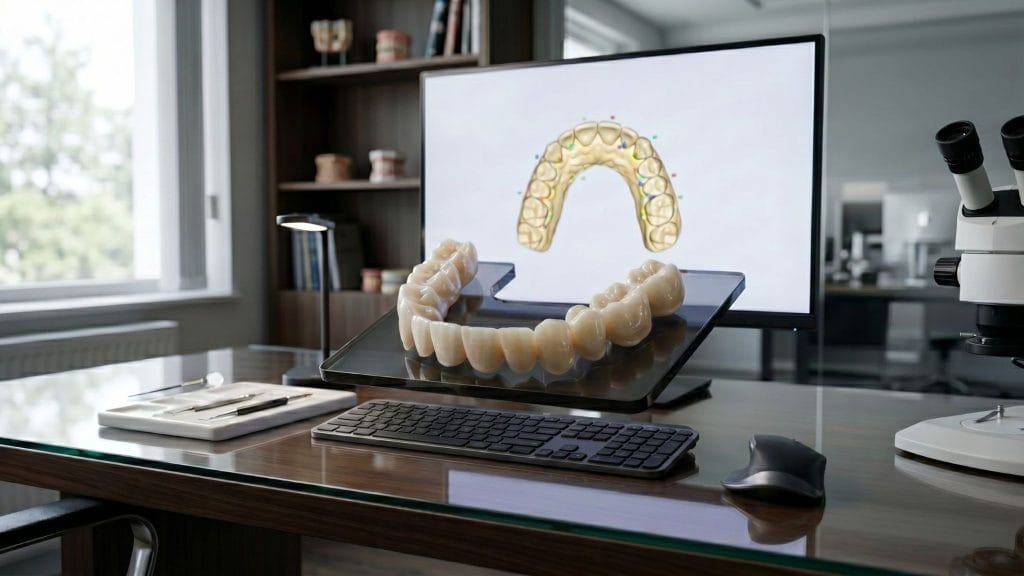
Digital impressions eliminate many challenges associated with traditional analog methods. The resulting data can be transferred directly into CAD software for restoration design and fabrication. This streamlined process improves consistency while supporting more predictable outcomes for every full contour zirconia implant case.
Why Dentists Choose Zirconia for Long-Term Success
Modern dental practices increasingly prioritize restorations that combine efficiency, aesthetics, and longevity.
Zirconia meets these expectations by offering:
- High fracture resistance
- Excellent biocompatibility
- Minimal maintenance requirements
- Strong patient acceptance
- Digital workflow compatibility
These advantages explain why zirconia continues to gain market share across implant dentistry, prosthodontics, and general restorative treatment.
Partner with Zirconia Express for Premium Crowns, Bridges, and Digital Cases
For dental practices seeking dependable restorative solutions, Zirconia Express provides high-quality zirconia crowns and bridges designed to support predictable clinical outcomes and long-term patient satisfaction. Their restorations are manufactured with precision-focused workflows and are backed by warranties of up to five years, giving dentists additional confidence in every case they deliver.
Beyond traditional restorations, Zirconia Express also offers advanced digital case solutions. Their AI-driven design systems streamline production while providing three distinct design shapes that help practices achieve customized results more efficiently.
Benefits of working with Zirconia Express include:
- High-quality zirconia crowns and bridges
- Up to 5-year warranty coverage
- Digital case acceptance
- AI-assisted design technology
- Consistent manufacturing standards
- Faster workflow efficiency
- Reliable communication and support
For practices looking to expand their digital dentistry capabilities while maintaining exceptional restorative quality, Zirconia Express provides a practical and scalable laboratory partnership.
Conclusion
The evolution of implant dentistry continues to be shaped by materials that deliver both durability and aesthetics. A full contour zirconia implant represents one of the most reliable restorative options available today, offering exceptional strength, excellent tissue compatibility, and highly natural results.
Whether used for single crowns, a full contour zirconia bridge, or full-arch rehabilitations, zirconia continues to help dentists achieve predictable outcomes while meeting modern patient expectations. As digital workflows advance and material science improves, zirconia-based restorations are likely to remain a cornerstone of restorative dentistry for years to come.
FAQ’s
What makes a full contour zirconia implant different from a traditional crown?
A full contour zirconia implant restoration is milled entirely from a single block of zirconia, with no porcelain layering. This eliminates the risk of chipping and gives the restoration greater overall strength compared to layered options.
How long does a full contour zirconia restoration typically last?
With proper care and regular dental checkups, monolithic zirconia restorations can last many years. Their high fracture resistance and minimal maintenance needs make them a durable long-term option for most patients.
Is a full contour zirconia implant suitable for patients who grind their teeth?
Yes, zirconia’s strength makes it a good choice for patients with bruxism or heavy bite forces. Since there’s no porcelain layer to chip or fracture, it can better withstand the extra pressure from grinding or clenching.
Does a full contour zirconia crown look as natural as porcelain-layered options?
Modern zirconia materials have significantly improved in translucency, allowing them to closely mimic the appearance of natural teeth. While layered porcelain may still offer slightly more customization for complex cosmetic cases, the aesthetic gap has narrowed considerably.
Are full contour zirconia restorations a good option for full-arch implant cases?
Yes, zirconia is increasingly used in full-arch implant rehabilitation because it combines strength, esthetics, and compatibility with digital workflows, making it a reliable choice for larger restorative cases.