

Metal Free Dental Crown: A Safe Solution for Perfect Smiles
Table of Contents
Metal free dental crowns have quickly become the gold standard for restorative dentistry across the United States. Whether your patients want a natural-looking smile, are worried about metal allergies, or simply want a restoration that blends seamlessly with their natural teeth, a metal free dental crown delivers on every front. For dental practices, understanding these restorations isn’t just helpful; it’s essential to staying competitive and keeping patients happy.
What Is a Metal Free Dental Crown?
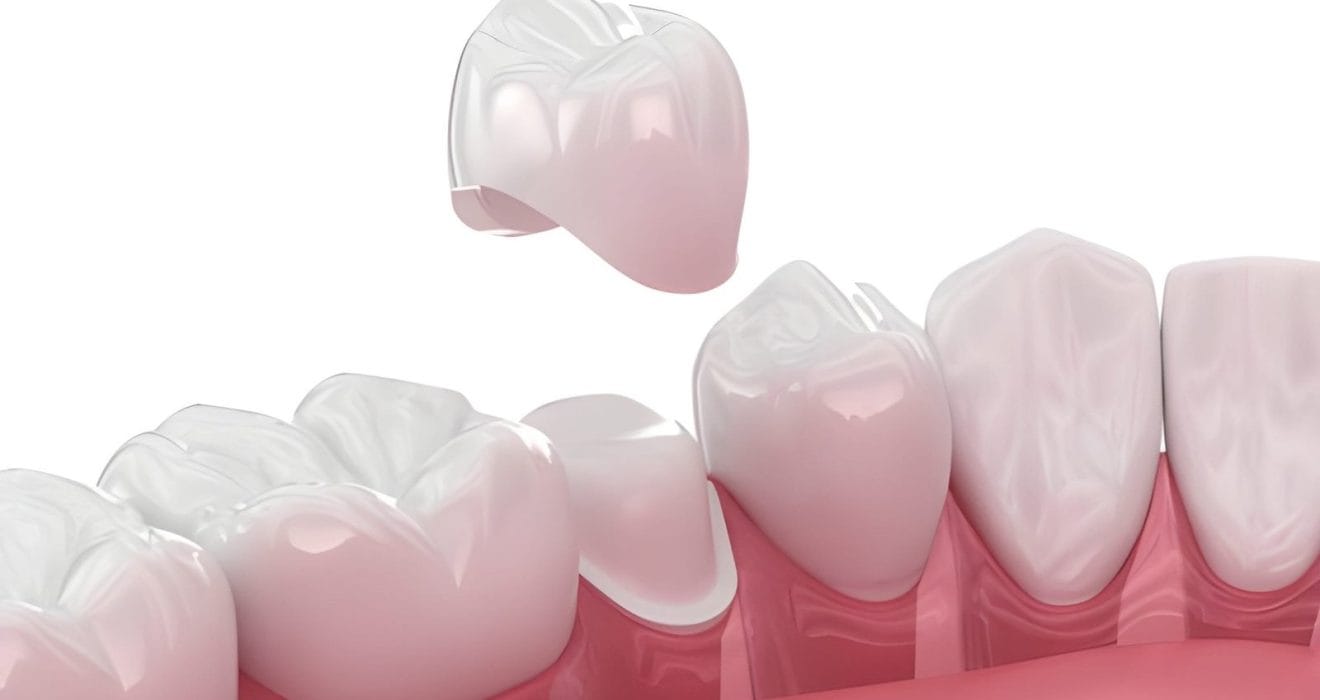
A metal free dental crown is a tooth-shaped cap made entirely from ceramic or zirconia materials; no metal substructure is involved. Unlike traditional restorations, these crowns rely on advanced dental ceramics that mimic the translucency, color, and strength of natural enamel.
The result? A restoration that looks like a real tooth, functions like a real tooth, and avoids the common drawbacks of metal-based options, such as gray gum lines, allergic reactions, and that telltale dark edge near the gums.
There are two main categories of the metal free dental crown:
- Zirconia crown – Made from zirconium dioxide, prized for exceptional strength and durability.
- Porcelain crown – Crafted entirely from dental porcelain, prized for its lifelike esthetics.
- Ceramic crown – A broad category that includes both glass-ceramics (like lithium disilicate) and zirconia-based restorations.
Why Patients Are Choosing the Metal Free Dental Crown
The shift toward metal free dentistry isn’t a passing trend; it’s backed by clear advantages.
Comparison Between Metal Free and Porcelain-Fused-to-Metal Crowns
A metal free dental crown offers excellent esthetics with no gray line, high biocompatibility with no metal allergy concerns, translucency that closely mimics natural enamel, an average lifespan of 10–15+ years, and no risk of gum discoloration.
Porcelain-fused-to-metal crowns have been widely used in dentistry for many years because they combine the durability of metal with the natural appearance of porcelain. However, drawbacks such as visible metal edges, possible allergic reactions, and limited translucency have led many dentists and patients to prefer completely metal-free alternatives.
A porcelain-fused-to-metal crown served dentistry well for decades, combining metal strength with a porcelain overlay. But its weaknesses, visible metal margins, potential allergies, and reduced translucency have pushed both dentists and patients toward fully metal free solutions.
Types of Metal Free Dental Crowns
1. Zirconia Crown
Zirconia crowns are among the strongest options for dental crown restorations. Monolithic zirconia can provide flexural strength of up to around 1,200 MPa, making it well-suited for back teeth and for patients with teeth-grinding habits. Newer multilayer zirconia materials also provide better translucency, allowing dentists to achieve both durability and a more natural appearance.
Zirconia crowns are perfect for:
- Posterior (back) teeth that handle heavy bite forces
- Patients with bruxism
- Long-span bridges
- Cases requiring minimal tooth reduction
2. Porcelain Crown
A conventional porcelain crown is highly valued for its natural appearance, which makes it especially suitable for front teeth. Although porcelain is generally more fragile than zirconia, modern pressed-ceramic techniques have greatly increased its strength. For restorations in the visible anterior region, where aesthetics are the main priority, porcelain continues to be an excellent option.
3. Ceramic Crown
The all ceramic crown, particularly lithium disilicate (e.g., e.max), strikes a balance between strength (around 400 MPa) and beauty. It’s a versatile option that works well for both anterior and premolar restorations, delivering lifelike results with reliable longevity.
Metal Free Dental Crown vs. Traditional Options
Quick Decision Guide
- Need maximum strength? → Zirconia crown
- Front tooth needing top esthetics? → Porcelain crown or layered zirconia
- Balanced strength and beauty? → Ceramic crown (lithium disilicate)
- Budget-conscious with hidden teeth? → Porcelain-fused-to-metal crown (though metal free is increasingly preferred)
The key advantage across the board: a metal free dental crown eliminates the risk of allergic reactions and the aging gray gum line that plagues a porcelain-fused-to-metal crown over time.
How Digital Dentistry Improves the Metal Free Dental Crown
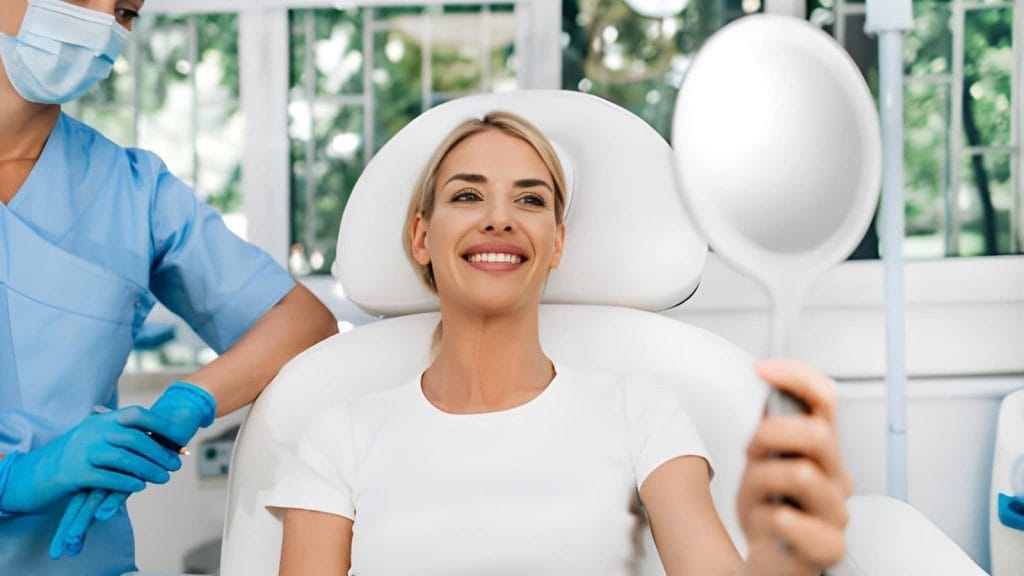
Today’s best metal free dental crowns are designed digitally. Intraoral scans, CAD/CAM milling, and AI-driven design produce restorations with precise margins, better fit, and faster turnaround. Digital workflows reduce remakes, improve consistency, and let dentists preview results before fabrication.
For practices, partnering with a digitally advanced lab means fewer adjustments at the chair and happier patients every single time.
Partner With Zirconia Express for Premium Crowns and Bridges
Ready to deliver flawless metal free dental crowns without the guesswork? Zirconia Express, a trusted dental lab in North Carolina, makes it easy. We craft high-quality zirconia crowns and bridges backed by an industry-leading warranty of up to 5 years, so you and your patients can smile with confidence.
Even better, our digital cases are powered by AI-driven design systems and come in three precision shapes, giving you customizable, consistent, and aesthetically superior results case after case. With Zirconia Express, you get faster turnaround, fewer remakes, and restorations that fit the first time beautifully.
Here’s why dentists choose us:
Durable zirconia crowns and bridges with up to a 5-year warranty
AI-driven digital cases with 3 shape options
Precision margins and natural esthetics
Reliable turnaround for busy practices
Switch to Zirconia Express today and give every patient the perfect smile they deserve. Order your next crown or digital case and experience the difference quality makes.
Conclusion
Modern metal free dental crowns have reshaped restorative dentistry by combining exceptional esthetics, long-term durability, and compatibility with oral tissues. Whether a case calls for the strength of zirconia, the lifelike appearance of porcelain, or the balanced performance of advanced ceramic materials, today’s restorations provide reliable solutions for a wide range of clinical needs.
Although premium options may involve a higher initial investment, their longevity and performance often make them a worthwhile choice for both patients and dental practices. By partnering with Zirconia Express, clinicians can access high-quality zirconia crowns restorations, advanced digital workflows, and dependable results that help create confident, healthy smiles.
FAQ’s
What is a metal-free dental crown?
A metal-free dental crown is a restoration made entirely from ceramic materials such as zirconia or lithium disilicate, without any metal framework. These crowns are designed to restore damaged teeth while providing a natural appearance and excellent durability.
Are metal-free dental crowns durable enough for everyday use?
Yes. Modern zirconia crowns are exceptionally strong and can withstand normal chewing and biting forces. They are commonly used for both front and back teeth, making them a reliable long-term restorative solution.
Why are metal-free crowns a more popular choice in the United States?
Patients increasingly prefer metal-free crowns because they offer superior aesthetics, biocompatibility, and a more natural look than traditional metal-based restorations. Advances in dental materials and digital dentistry have also improved their strength and predictability.
How long do metal-free dental crowns last?
With proper oral hygiene and regular dental checkups, metal-free crowns can last 10 to 15 years or longer. Their longevity depends on factors such as the patient’s bite, oral habits, and the quality of the restoration.
Why do patients prefer metal-free crowns?
Many patients prefer metal-free crowns because they look more natural and do not have the dark metal margins that can sometimes become visible near the gumline. They also appreciate the biocompatibility of ceramic materials and the ability to achieve a restoration that closely resembles a natural tooth.

2 Comments