

What is 3D Multi-Layered Zirconia? Benefits, Uses & Comparison
Table of Contents
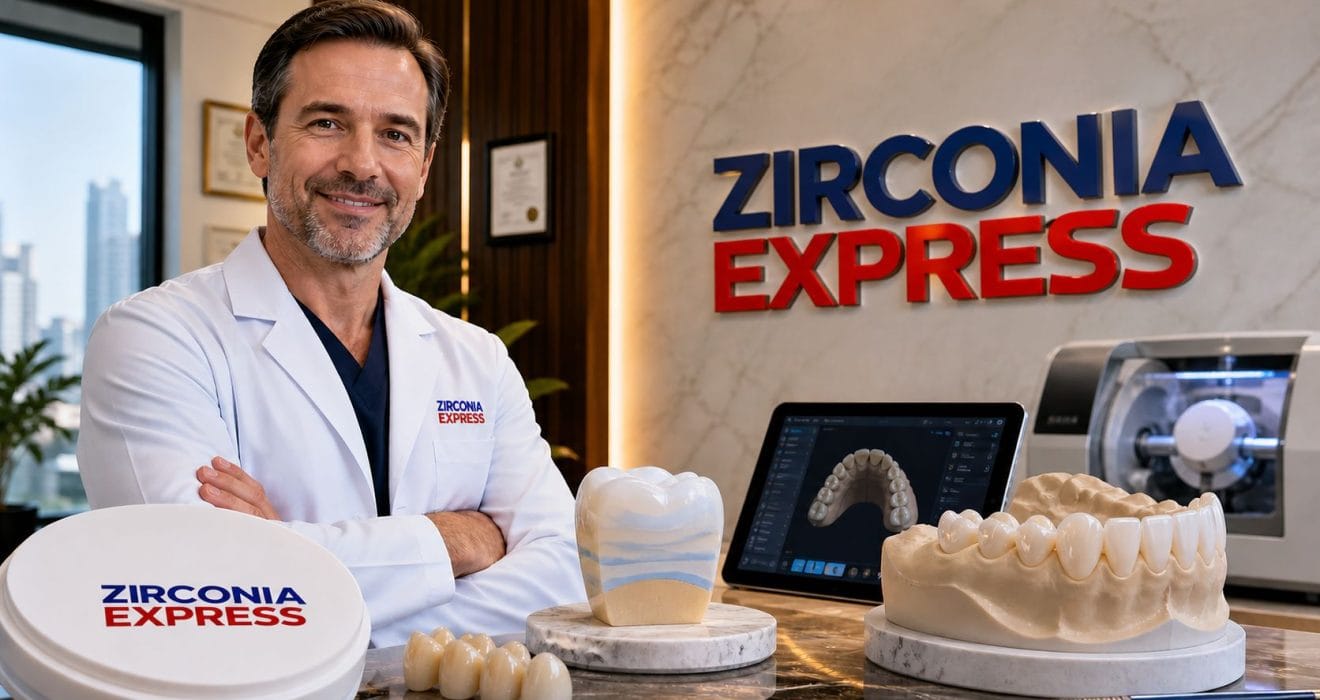
3D Multi-Layered Zirconia is an advanced dental zirconia material designed with multiple, smoothly blended layers of color, translucency, and strength to recreate the look and function of natural teeth. It is milled from high-quality zirconia blanks using digital technology, then sintered and finished to form durable, lifelike crowns, bridges, and other restorations.
Instead of being one flat shade and one uniform density, 3D Multi-Layered Zirconia mimics the way a real tooth changes from the more translucent incisal edge to the warmer, more opaque neck of the tooth. This layered design allows dentists and dental labs to offer restorations that are both strong and highly aesthetic, often with less chair time and fewer adjustments.
What is 3D Multi-Layered Zirconia in modern dentistry?
3D Multi-Layered Zirconia in modern dentistry is a generation of zirconia ceramics built with a gradual, three-dimensional transition of shade and translucency from top to bottom, closely imitating the layers of natural enamel and dentin.
Traditional zirconia was typically a single shade and had a more uniform opacity. While strong, it could sometimes appear too dense or monochromatic, especially in the front of the mouth. 3D Multi-Layered Zirconia addresses this by stacking and blending several layers within one blank:
- The incisal region is more translucent to capture the light-passing effect of enamel.
- The body region has higher chroma (color saturation) for a natural, lifelike hue.
- The cervical region is slightly more opaque to mask underlying tooth color or post materials.
This structure is built directly into the material itself, often within a multilayer zirconia block used in CAD/CAM systems. Instead of technicians manually layering porcelain powders, much of the optical effect is pre-engineered, improving consistency and saving time while preserving a beautifully nuanced appearance.
3D multi-layered zirconia is also optimized for strength. Many systems balance flexural strength and translucency, allowing the same material to be used in both anterior (front) and posterior (back) regions, as well as for single crowns and multi-unit bridges, depending on the indication and manufacturer guidelines.
What are the benefits of 3D Multi-Layered Zirconia for crowns and bridges?
3D Multi-Layered Zirconia benefits patients and clinicians by combining aesthetics, durability, and efficiency in one material.
It provides highly natural aesthetics.
Because 3D multi-layered zirconia includes built-in gradients of shade and translucency, it can closely match neighboring teeth with less manual characterization. Light transmission and color depth look more like natural enamel and dentin, making it especially suitable for visible areas such as incisors and canines. For many patients, this means a brighter but still believable smile rather than a “flat” or opaque look.
It offers exceptional strength and longevity.
Zirconia is known for its high flexural strength and fracture resistance, and 3D multi-layered zirconia maintains those properties while improving its optical characteristics. This strength supports long-term performance for crowns and bridges, including in high-load areas like molars. When properly designed and cemented, these restorations can withstand everyday chewing forces for many years.
It allows conservative tooth preparation.
Because zirconia is strong even at relatively thin dimensions, dentists can often remove less natural tooth structure compared with some metal-ceramic or glass-ceramic options. Preserving more healthy tooth tissue is a key part of minimally invasive dentistry and can support better long-term tooth health.
It is biocompatible and gentle to tissues.
Zirconia is highly biocompatible, with a low tendency to cause allergic reactions or irritation. Its smooth, polished surface is kind to the opposing teeth and tends to accumulate less plaque when properly maintained, supporting healthy gums and oral hygiene.
It enhances shade matching and consistency.
The multi-layer concept reduces the need for intensive manual characterization to achieve realism. While laboratory technicians still add finishing touches, the base material already carries a lifelike gradient. This can help reduce remakes and adjustments, contributing to more predictable outcomes and more comfortable visits.
How does 3D Multi-Layered Zirconia relate to cost and value?
A common patient question is how this material affects the multilayer zirconia crown price. Costs vary by region, clinic, and case complexity, but 3D multi-layered zirconia typically sits in the higher-value, premium esthetic range. Patients are investing not only in strength but also in a more harmonious smile and a restoration designed to last. Over time, this can be a cost-effective option when compared to materials that may need to be replaced more frequently.
How is 3D Multi-Layered Zirconia used in clinical practice?
3D Multi-Layered Zirconia is used in clinical practice as a versatile, digitally driven solution for many kinds of fixed restorations. Dentists and dental labs rely on it for:
- Single crowns in front and back teeth
- Short and long-span bridges (as permitted by material guidelines)
- Implant-supported crowns and bridges
- Some veneers and inlays/onlays, when indicated
These restorations typically start with an intraoral scan or a conventional impression that is digitized. The digital file is then used to design the restoration with advanced CAD software. In many modern workflows, the design software can simulate occlusion (how your teeth meet), contact points, and esthetics to optimize the final shape even before it is milled.
In the laboratory or in-office milling unit, the design is sent to a milling machine that shapes it from a zirconia puck or disc. That puck is often a 3D multi-layered zirconia blank with pre-fabricated gradients of shade and translucency. The technician positions the crown design within the puck to align the incisal and cervical areas appropriately with the layers in the blank, ensuring that the visible portion of the restoration receives the most natural gradient.
After milling, the restoration is sintered at high temperatures to reach its final strength. It can then be stained, glazed, and polished to refine color and surface texture. The finished crown or bridge is bonded or cemented by the dentist during a final appointment.
At Zirconia, a dental clinic in North Carolina, this entire process is deeply integrated into modern digital dentistry. Zirconia offers:
- Zirconia crowns and bridges with up to a 5-year warranty, reflecting confidence in material performance and craftsmanship.
- Digital cases with AI-driven design systems and three shapes, meaning your restoration is not only digitally precise but also tailored to one of three carefully curated anatomical styles. This provides a gentle balance of function and aesthetics, aiming for a restoration that feels natural in your bite and looks serene in your smile.
This digital-first, 3D multi-layered zirconia approach helps streamline appointments, reduce turnaround times, and promote a calm, predictable treatment experience.
How does 3D Multi-Layered Zirconia compare to other materials?
3D Multi-Layered Zirconia compares favorably to many traditional and contemporary dental materials by uniting strength, beauty, and efficiency. However, each option has its own role, and only a dentist can recommend the best material for your unique case.
3D Multi-Layered Zirconia vs. porcelain-fused-to-metal (PFM)
Porcelain-fused-to-metal crowns were long considered a standard for strength. However, their metal substructure can sometimes show through at the gumline or give a slightly gray undertone, especially as the gums recede over time. Chipping of the porcelain layer is also a known concern.
3D Multi-Layered Zirconia is metal-free and typically fully ceramic. Its color and translucency are present throughout the restoration, reducing the risk of dark lines. Because most systems are monolithic or nearly monolithic zirconia, the risk of porcelain chipping is significantly reduced. The result is often a quieter, more harmonious appearance in the mouth.
Layered zirconia vs full zirconia in the context of 3D Multi-Layered Zirconia
When patients and clinicians discuss layered zirconia vs full zirconia, they are usually comparing restorations where a zirconia core is covered with a veneering porcelain (layered zirconia) versus restorations milled entirely or almost entirely from zirconia (full zirconia).
3D Multi-Layered Zirconia is typically used in a full-zirconia or near-full-zirconia design. The internal layers of color and translucency largely replace the need for a thick veneering porcelain layer. This yields several advantages:
- Reduced risk of chipping or delamination of a porcelain veneer
- More uniform strength throughout the restoration
- Faster and more predictable fabrication
Layered zirconia may still be chosen in a few highly customized esthetic situations, but for many everyday and advanced cases, 3D multi-layered zirconia full-contour crowns and bridges provide an elegant balance of beauty and durability.
3D Multi-Layered Zirconia vs earlier-generation monolithic zirconia
Early monolithic zirconia was extremely strong but often quite opaque and somewhat flat in color. It was ideal for posterior teeth but less ideal for highly esthetic zones.
3D Multi-Layered Zirconia improves on this by incorporating enhanced translucency at the incisal edge and gradual color transitions throughout the crown. It can reach esthetic levels once reserved mainly for glass-ceramics, while still maintaining robust strength.
3D Multi-Layered Zirconia and emerging 4D concepts
Some manufacturers now reference multi-dimensional improvements, sometimes calling their newest solutions a 4D zirconia block or similar terminology. These aim to refine not just color and translucency gradients, but also adjust physical properties like strength and wear resistance across the restoration in more sophisticated ways.
In practice, 3D Multi-Layered Zirconia already offers a widely trusted, proven balance of performance and beauty. As innovations continue, the core principles remain the same: creating restorations that look more like natural teeth while preserving durability and patient comfort.
Why you should get your dental appointment from Zirconia
You should get your dental appointment from Zirconia if you are seeking a calm, technology-guided approach to 3D Multi-Layered Zirconia restorations backed by attentive clinical care in North Carolina.
Zirconia is more than a name for a material. It is a dental clinic dedicated to using advanced zirconia solutions in a way that respects both your health and your peace of mind. From the moment you schedule, the focus is on gentle communication, careful diagnosis, and a treatment plan that feels understandable and achievable.
For patients considering 3D Multi-Layered Zirconia, Zirconia offers:
- Zirconia crowns and bridges with up to a 5-year warranty, reflecting a thoughtful commitment to longevity and quality. This warranty provides reassurance that your restoration is not only beautiful but also supported with ongoing care.
- Digital cases with AI-driven design systems and three shapes, which help personalize your restoration. AI tools suggest ideal contours, contact points, and occlusion, while the three shape options allow the team to choose the design that best suits your facial features, dental anatomy, and esthetic preferences.
Beyond crowns and bridges, Zirconia provides multiple dental services, from preventive cleanings and exams to restorative and cosmetic treatments. This means your 3D multi-layered zirconia crown is not planned in isolation, but as part of your entire oral health picture.
Appointments are structured to be as unhurried as possible within a modern clinical schedule, allowing time for your questions and for a clear explanation of each step from preparation and temporization to the final placement of your zirconia crown or bridge. The goal is for you to leave not only with a renewed smile, but also with a sense of quiet confidence in your care.
If you have been considering a crown, bridge, or a broader smile refresh, a consultation at Zirconia can help you understand whether 3D multi-layered zirconia fits your goals, your timeline, and your overall health needs.
Conclusion:
3D Multi-Layered Zirconia is right for many patients who want a restoration that is strong, long-lasting, and naturally beautiful. Its internal gradients of color and translucency allow it to blend quietly into your smile, while its high strength supports crowns and bridges in both front and back teeth. Whether milled from a multilayer zirconia block in a dental lab or designed through fully digital workflows in a clinic like Zirconia, this material represents a harmonious union of science and artistry.
At Zirconia in North Carolina, your dentist can evaluate your situation, discuss alternatives such as glass-ceramics or other zirconia solutions, explain how 3D Multi-Layered Zirconia compares to them, and guide you toward a decision that supports both your smile and your sense of well-being.
FAQ’s
What makes 3D Multi-Layered Zirconia different from regular zirconia?
It has built-in layers of color and translucency for a more natural look. Regular zirconia is more uniform and can appear less lifelike.
Is 3D Multi-Layered Zirconia suitable for front teeth?
Yes, it offers high aesthetics and blends well with natural teeth. It is ideal for visible areas like incisors.
How long do zirconia crowns last?
They can last 10–15 years or longer with proper care. Good hygiene and regular checkups help extend their lifespan.
How does it compare in cost to other materials?
It is a premium option due to its strength and aesthetics. However, its durability can make it cost-effective long-term.
Do zirconia crowns need special care?
No special care is required beyond normal oral hygiene. Regular brushing, flossing, and dental visits are enough.