

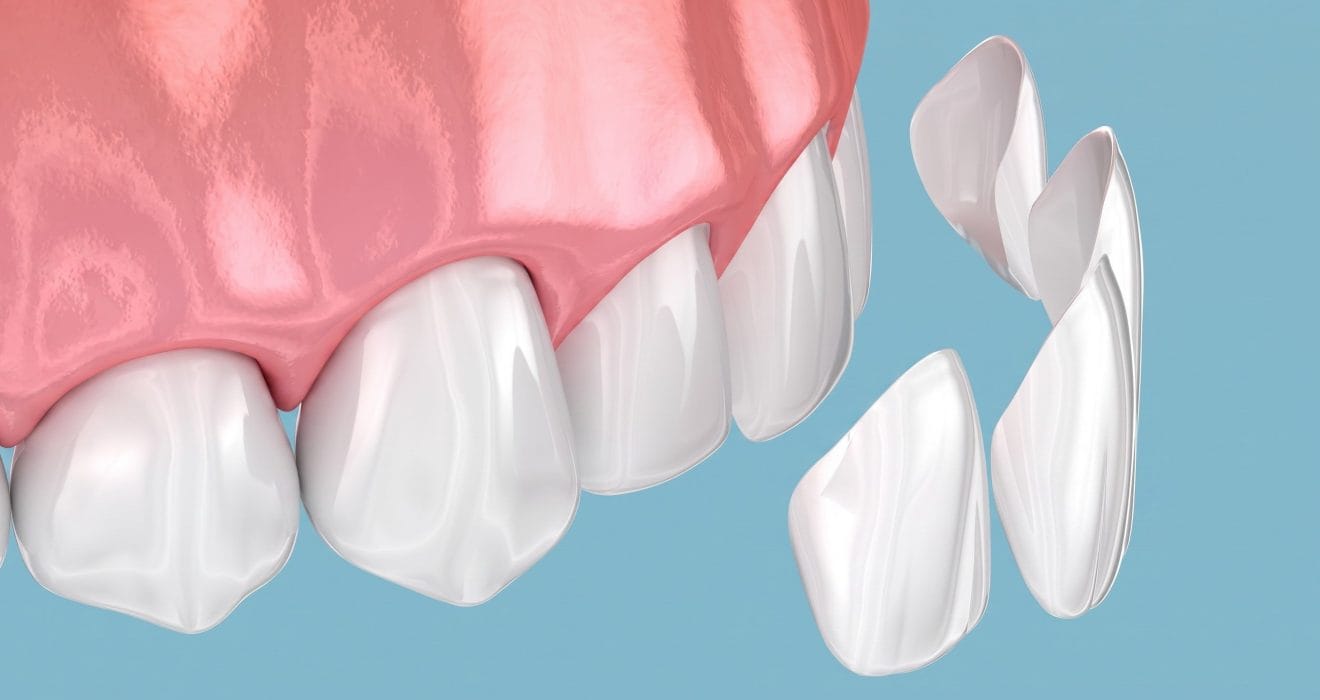
HT Zirconia Block for Dental CAD CAM | 1200 MPa Strength
An HT Zirconia Block is a high-translucency zirconia disc engineered for dental CAD/CAM milling, combining a flexural strength of up to 1200 MPa with a natural, tooth-like appearance. It has become the material of choice for labs that need one disc capable of handling crowns, bridges, and full-arch restorations without sacrificing esthetics.
Dental labs and clinicians are under constant pressure to deliver restorations that look natural, fit precisely, and survive years of chewing forces. That’s a difficult balance. Traditional zirconia was strong but opaque. Newer ultra-translucent zirconia looked great but chipped under stress. HT Zirconia Blocks were developed specifically to close that gap, giving labs a single dental zirconia block that performs across most case types.
What Is an HT Zirconia Block?
An HT Zirconia Block is a pre-sintered zirconium dioxide disc formulated with a partially stabilized yttria content that increases light transmission while preserving mechanical strength. Unlike monolithic zirconia from a decade ago, HT blocks use a finer grain structure and controlled cubic-phase content to allow light to pass through the material more like natural enamel.
The result is a disc that mills cleanly on CAD CAM systems and sinters into restorations with a soft, layered translucency. Dental technicians use HT zirconia blocks for cases where both strength and aesthetics matter, think anterior crowns, premolar restorations, and short-span bridges.
How Strong Is 1200 MPa Zirconia?
Flexural strength measures how much force a material can withstand before it fractures. At 1200 MPa, high translucency zirconia sits well above the strength needed for posterior crowns and bridges, and it comfortably exceeds the biting forces generated during normal mastication, which typically range between 200 and 800 newtons depending on tooth position.
For comparison, lithium disilicate (e.max) offers roughly 360–400 MPa, while conventional feldspathic porcelain sits closer to 100 MPa. A 1200 MPa HT Zirconia Block provides dental labs with a wide safety margin, which is especially important for patients with bruxism, heavy occlusal contacts, or multi-unit bridge cases.
This strength doesn’t come at the cost of workability. HT blocks are designed to mill efficiently on standard CAD CAM zirconia block systems without excessive bur wear, keeping production timelines predictable for busy labs. Even at full strength, the disc retains sufficient machinability to avoid chipping at the margins during milling, a common failure point in lower-grade material.
Why Does Translucency Matter in Zirconia Blocks?
Translucency determines how natural a restoration looks next to surrounding teeth. Older-generation zirconia blocks absorb most light, producing crowns that appear flat or chalky, especially in the anterior zone where patients notice esthetics most.
High-translucency zirconia blocks address this by allowing controlled light transmission through the restoration, mimicking how natural enamel scatters and reflects light. This makes shade matching easier and reduces the need for heavy layering or staining to disguise opacity.
For dentists, this translates into fewer remakes due to esthetic mismatch and faster patient acceptance of the final restoration. Patients are also more likely to accept a same-day or short-turnaround crown when the shade blends naturally on the first try, which reduces chairside adjustment time.
What Makes HT Zirconia Different From Other Zirconia Blocks?
Zirconia blocks generally fall into a few strength-translucency categories, and understanding where HT zirconia fits helps labs choose the right material for each case.
3Y zirconia (traditional): Highest strength, around 1200+ MPa, but limited translucency. Best for posterior full-contour crowns and long-span bridges.
5Y zirconia (high translucency): Lower strength, typically 550–650 MPa, with much higher translucency. Best for single anterior crowns and veneers.
HT zirconia blocks: A balanced formulation that pushes translucency higher than traditional 3Y zirconia while holding strength near or at 1200 MPa. This makes the HT zirconia block a practical middle ground for labs that don’t want to stock multiple disc types for every case.
This is also why many labs now describe the HT zirconia disc as their “default disc” — it handles a wider range of indications than either extreme, reducing inventory complexity and case-planning time.
When Should a Dental Lab Use an HT Zirconia Disc?
An HT zirconia disc is well-suited for cases that require both durability and a natural appearance. Common indications include:
- Single and multi-unit posterior crowns
- Anterior crowns where esthetics and strength both matter
- Three- to four-unit bridges
- Implant-supported restorations
- Patients with parafunctional habits like clenching or grinding
Labs typically reserve ultra-high-translucency (5Y) discs for esthetic-only cases like single anterior veneers, while HT zirconia blocks cover the majority of daily case volume because they don’t force a strength-versus-esthetics trade-off. This versatility is one reason many labs standardize their default milling stock on HT material rather than switching discs on a case-by-case basis.
How Does an HT Zirconia Block Work in the CAD CAM Workflow?
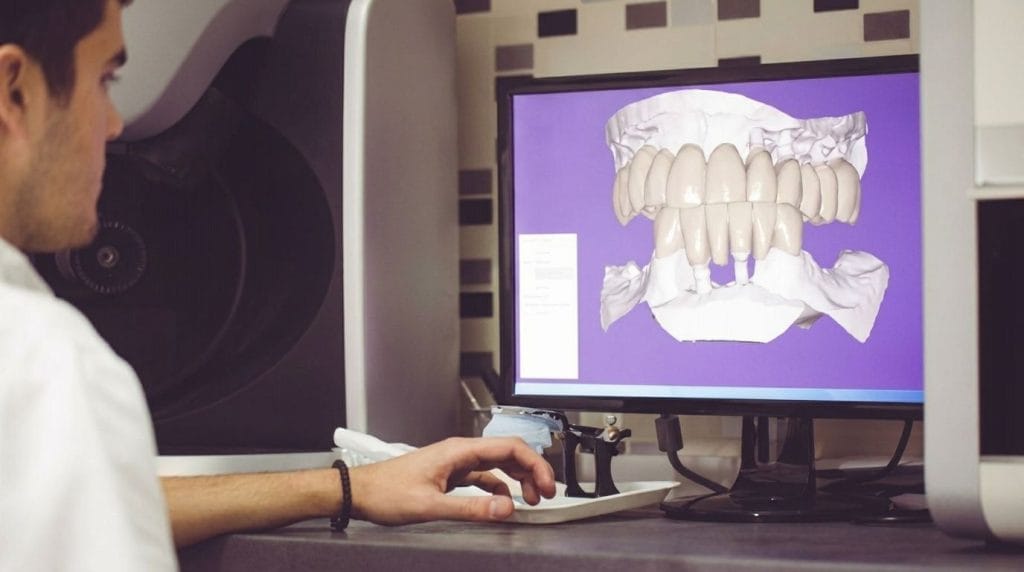
The digital workflow for a CAD/CAM zirconia block starts with an intraoral or lab scan, followed by design software that maps the restoration onto the disc to optimize material use. The milling machine then cuts the pre-sintered block into the designed shape, which is later sintered in a high-temperature furnace to reach full strength and translucency.
Because HT zirconia blocks are formulated for consistent density and grain structure, they mill predictably across different CAD CAM systems, reducing the trial-and-error labs sometimes face with lower-quality discs. Sintering shrinkage is also more uniform, which supports accurate fit on delivery.
This consistency is one reason labs like Zirconia Express standardize on quality-controlled HT zirconia stock for CAD CAM production. Predictable material behavior reduces remakes and keeps case turnaround on schedule. A stable sintering curve also means fewer surprises at seating, since fit issues traced back to inconsistent shrinkage are far less common with well-controlled disc material.
Which Is Better for Dental Labs: HT Zirconia or Multilayer Zirconia?
Multilayer zirconia blocks are fabricated with a gradient of shades and translucency across the disc to replicate the natural color transition from the gum line to the incisal edge without manual staining. HT zirconia, by contrast, is typically monochromatic or lightly layered, relying more on the technician’s staining and glazing technique.
Multilayer discs can save chairside time on shade blending, but they require precise nesting of the restoration within the disc’s correct translucency zone, adding complexity to the design step. HT zirconia blocks are more forgiving to position and mill, making them a reliable choice for labs balancing case volume with esthetic demand.
Neither option is universally “better” — the right choice depends on case type, technician skill, and how much chairtime a lab wants to spend on manual characterization.
What Should a Dental Lab Look for When Buying HT Zirconia Blocks?
Not all zirconia blocks labeled “HT” perform the same way. Quality varies based on raw material sourcing, sintering protocol, and manufacturing consistency. When evaluating a zirconia block for dental lab use, labs should check for:
- Published flexural strength data (ideally third-party tested)
- Batch-to-batch color and translucency consistency
- Compatibility with common CAD CAM milling systems
- Documented biocompatibility certification
- Reliable supply and fast restocking
A block that mills well but sinters inconsistently creates more problems than it solves, since fit and shade issues often only appear after the final sintering cycle — well into the production timeline. Labs that skip this vetting step often discover the cost difference too late, after remakes and rescheduled appointments eat into the savings from a cheaper disc.
Why Partner With Zirconia Express for Your Zirconia Restorations?
Choosing the right dental zirconia block is only part of the equation; consistent production quality is what actually protects a lab’s or clinic’s reputation with patients. Zirconia Express, a North Carolina-based dental laboratory, works directly with dentists, prosthodontists, implant specialists, and dental labs to take that pressure off in-house teams.
Every crown and bridge case is produced using high-strength zirconia, including HT Zirconia Block material, backed by up to a 5-year warranty. That warranty reflects confidence in both the material and the fabrication process, not just a marketing promise.
For practices moving toward fully digital workflows, Zirconia Express also offers AI-driven digital dental case design with three anatomical shape options, giving clinicians more control over final tooth morphology before milling even begins. This combination of digital precision and material consistency helps reduce remakes and shortens the time between scan and seat.
Dental professionals seeking dependable turnaround, consistent shade matching, and restorations built to withstand real-world occlusal forces are encouraged to reach out to Zirconia Express to discuss case requirements and current lead times.
Conclusion
An HT Zirconia Block offers dental labs a practical way to deliver restorations that are both strong and esthetically convincing, without compromising on either. With flexural strength of 1200 MPa and translucency levels suited to anterior and posterior cases alike, HT zirconia has become a dependable default material in CAD/CAM zirconia block production. Labs that pair quality HT zirconia disc material with a reliable production partner, such as Zirconia Express, are better positioned to deliver consistent, long-lasting results for every patient case.
FAQ’s
What is an HT zirconia block used for?
An HT zirconia block is used to mill dental crowns, bridges, and other restorations that require both high strength and a natural, translucent appearance, particularly in CAD CAM workflows.
What does 1200 MPa mean in terms of zirconia strength?
It refers to the flexural strength of the material, the amount of force it can withstand before fracturing. 1200 MPa zirconia is strong enough for posterior crowns, bridges, and patients with heavy bite forces.
Is HT zirconia stronger than multilayer zirconia?
It depends on the specific product, but HT zirconia blocks generally offer comparable or higher strength than multilayer discs, since multilayer blocks often include translucency gradients that slightly reduce strength in certain zones.
Can HT zirconia be used for anterior teeth?
Yes. HT zirconia’s higher translucency compared to traditional 3Y zirconia makes it suitable for anterior crowns, especially when strength is also a priority, such as with heavy occlusion or bridge abutments.
How long does an HT zirconia restoration last?
With proper fit, occlusal adjustment, and patient care, zirconia restorations commonly last 10 to 15 years or longer, though warranty terms vary by dental lab.
What is the difference between HT and 5Y zirconia?
HT zirconia balances strength and translucency, typically staying near 1200 MPa, while 5Y zirconia prioritizes translucency with lower strength, usually in the 550–650 MPa range, making it better suited for single anterior cases.
Does HT zirconia work with all CAD CAM milling systems?
Most HT zirconia blocks are manufactured in standard disc sizes and are compatible with common open- and closed-system CAD/CAM milling systems, though labs should confirm compatibility with their specific machine.