
Full Contour Zirconia Restorations: Advantages and Clinical Considerations
Modern restorative dentistry has evolved rapidly over the last decade, with materials becoming stronger, more aesthetic, and increasingly predictable. Among these advancements, full contour zirconia restorations have become one of the most trusted solutions for dentists seeking durable, long-lasting, and minimally invasive restorations. Their ability to withstand heavy chewing forces while maintaining an attractive appearance has made them a preferred option for both single-unit and multi-unit restorations.
Unlike porcelain-fused-to-metal alternatives, full contour zirconia restorations are milled from a single block of zirconia, eliminating porcelain chipping while providing excellent structural integrity. As digital dentistry continues to reshape workflows, these restorations integrate seamlessly with CAD/CAM systems, allowing dental laboratories to deliver highly accurate restorations with consistent quality. This article examines the clinical advantages, ideal indications, limitations, and best practices that make zirconia a leading restorative material.
What Are Full Contour Zirconia Restorations?
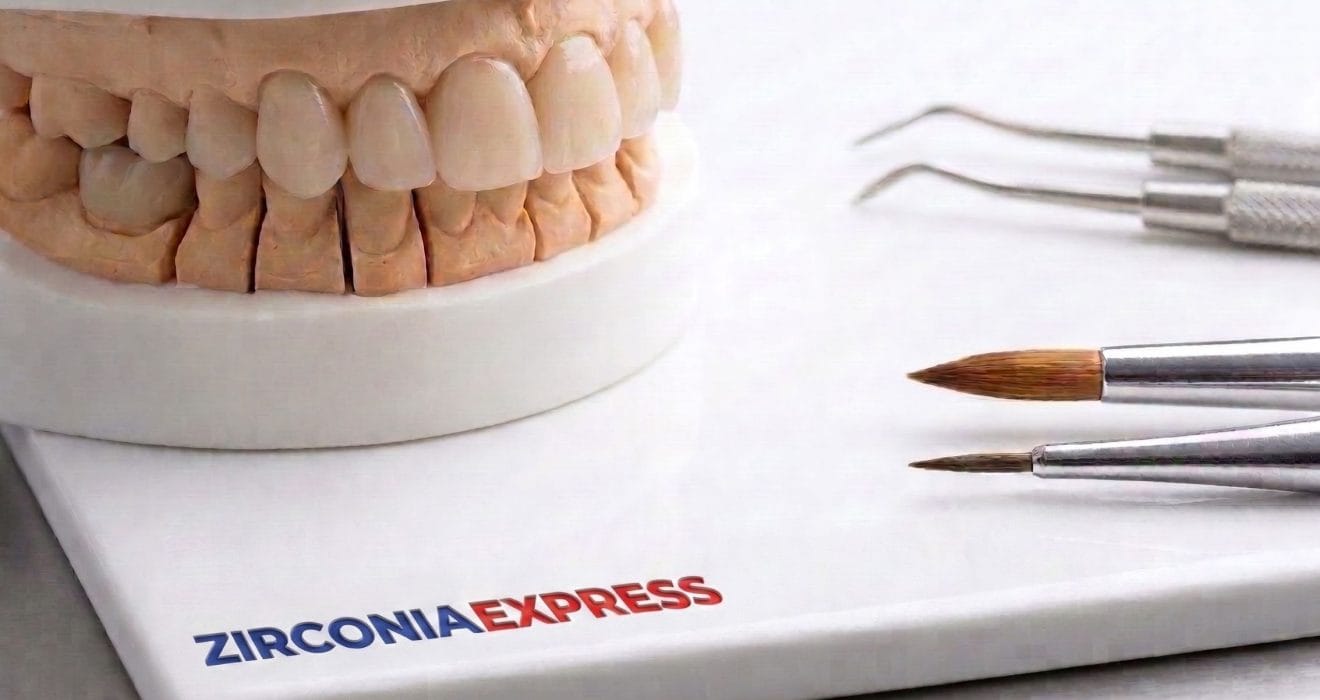
Full contour zirconia restorations are monolithic restorations fabricated entirely from zirconium dioxide without a veneering porcelain layer. Because they consist of one solid material, they are significantly less likely to chip compared to layered ceramic restorations.
These restorations are commonly used for:
- Single crowns
- Implant-supported crowns
- Multi-unit bridges
- Posterior restorations
- Selected anterior restorations
- Full-arch rehabilitations
Advancements in translucent zirconia have expanded their use beyond posterior teeth, allowing clinicians to achieve a balance between durability and aesthetics.
What Makes Full Contour Zirconia Restorations an Increasingly Preferred Choice
The growing adoption of zirconia is driven by measurable clinical improvements rather than trends alone.
Several factors contribute to their widespread use:
- Exceptional fracture resistance
- Minimal risk of porcelain chipping
- Excellent biocompatibility
- High precision through digital manufacturing
- Conservative tooth preparation
- Long clinical service life
- Consistent shade stability
Clinical studies have repeatedly shown survival rates exceeding 90% after several years of function when appropriate treatment protocols are followed, making zirconia one of the most predictable restorative materials available today.
Full Contour Zirconia Benefits for Modern Dental Practices
One reason dentists increasingly recommend zirconia is the broad range of clinical and operational advantages it provides.
Outstanding Strength
Zirconia demonstrates flexural strength that commonly ranges between 700 MPa and over 1,200 MPa depending on material composition. This strength allows restorations to tolerate substantial occlusal forces, making them particularly suitable for posterior regions.
Excellent Longevity
When fabricated correctly and bonded using appropriate clinical protocols, zirconia restorations can function successfully for many years with minimal complications.
Reduced Chipping Risk
Traditional layered ceramics sometimes experience porcelain fractures. By eliminating the need for a veneering layer, monolithic zirconia considerably minimizes the risk of this complication.
Conservative Tooth Preparation
Because zirconia is exceptionally strong, clinicians often require less tooth reduction compared to some conventional ceramic systems, preserving more natural tooth structure.
Patient Satisfaction
Patients appreciate restorations that combine natural appearance with long-term durability, resulting in fewer repairs and replacement appointments.
These full contour zirconia benefits make the material attractive for both clinicians and patients seeking dependable restorative outcomes.
Full Contour Zirconia Crowns: A Reliable Solution for Daily Practice
Of the various zirconia-based applications, full contour zirconia crowns continue to be the most commonly prescribed type of restoration.
They are especially effective for:
- Molars exposed to heavy chewing forces
- Premolars requiring strength and aesthetics
- Bruxism patients
- Implant-supported restorations
- Endodontically treated teeth
- Patients seeking metal-free restorations
Digital manufacturing has significantly improved marginal adaptation, resulting in restorations with precise fit and reduced chairside adjustments.
Modern polishing and glazing techniques also produce smooth surfaces that minimize wear on opposing enamel while maintaining long-lasting aesthetics.
Indications for Full Contour Zirconia in Clinical Dentistry
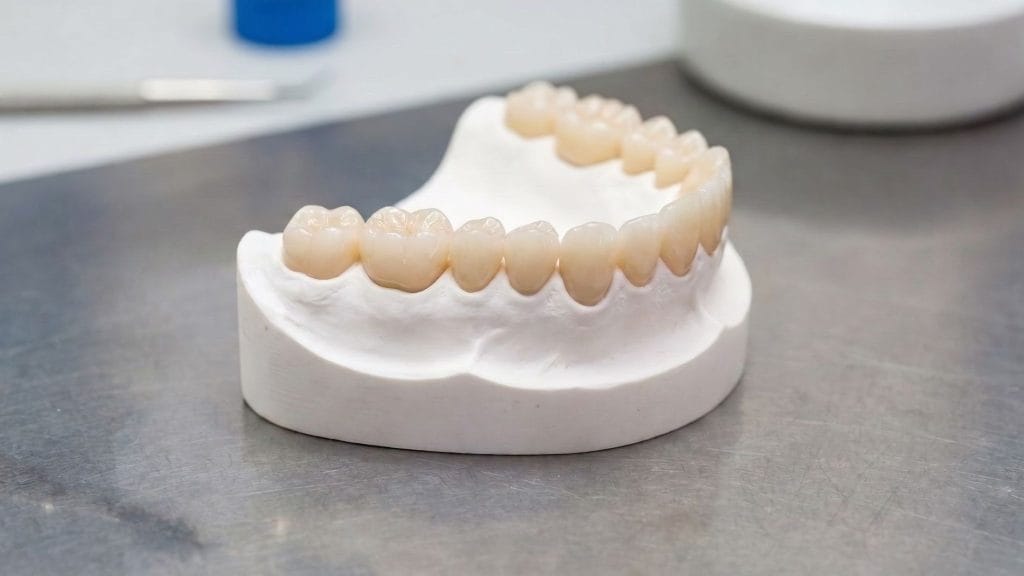
Selecting the right restorative material requires understanding the patient’s functional and aesthetic needs. Knowing the indications for full contour zirconia helps clinicians make predictable treatment decisions.
Zirconia is commonly indicated for:
- Posterior crowns
- Long-span posterior bridges
- Implant restorations
- Patients with parafunctional habits
- Cases requiring high fracture resistance
- Patients requesting metal-free restorations
- Full-mouth rehabilitation involving heavy occlusal loading
Although modern translucent zirconia has improved aesthetics, dentists may still prefer layered ceramics in highly demanding anterior cosmetic cases where maximum translucency is required.
Proper patient selection remains one of the strongest predictors of long-term restorative success.
Full Contour Zirconia Bridges for Multi-Unit Restorations
Restoring several missing teeth requires durable materials that can withstand ongoing functional forces. Full contour zirconia bridges have become a dependable solution because they combine mechanical strength with excellent dimensional stability.
Key advantages include:
- Superior fracture resistance
- Stable connector strength
- Excellent fit using CAD/CAM workflows
- Reduced maintenance compared to layered porcelain bridges
- Reliable performance in posterior segments
For implant-supported bridges, zirconia also offers outstanding rigidity while maintaining favorable tissue compatibility.
Dental laboratories now produce highly customized bridge designs that improve both occlusion and aesthetics without sacrificing structural integrity.
Zirconia Dental Restorations and the Digital Dentistry Revolution
Today’s restorative workflows are increasingly digital, and zirconia dental restorations fit perfectly within this transformation.
Modern laboratories utilize:
- Intraoral digital impressions
- CAD design software
- AI-assisted restoration design
- Precision milling systems
- Advanced sintering technology
- Digital quality verification
These technologies reduce remakes, improve consistency, shorten turnaround times, and deliver restorations with remarkable accuracy.
For busy dental practices, digital workflows also simplify communication between clinicians and laboratories, reducing errors associated with conventional impressions.
Key Clinical Factors to Evaluate When Choosing Full Contour Zirconia Restorations
Despite the numerous advantages of zirconia, achieving successful clinical results requires careful treatment planning.
Dentists should evaluate:
Occlusal Analysis
Careful assessment of occlusal forces helps determine appropriate restoration thickness and connector dimensions.
Tooth Preparation
Rounded internal line angles and adequate reduction improve restoration fit while minimizing stress concentration.
Surface Treatment
Proper polishing is essential because rough zirconia surfaces may increase wear on opposing dentition.
Cement Selection
Depending on retention form, clinicians may choose conventional or adhesive cementation protocols based on manufacturer recommendations.
Shade Selection
Modern multilayer zirconia provides improved color gradients that better replicate natural dentition, especially in visible areas. Paying attention to these details helps maximize restoration longevity while reducing clinical complications.
Optimizing Clinical Outcomes with Full Contour Zirconia Restorations
Achieving consistent success with full contour zirconia restorations depends on much more than simply selecting a strong restorative material. Long-term clinical performance is influenced by accurate diagnosis, proper case selection, precise tooth preparation, and close collaboration with a skilled dental laboratory. When these factors work together, zirconia restorations deliver outstanding durability, excellent marginal integrity, and predictable patient satisfaction.
Digital dentistry has also transformed how zirconia restorations are designed and manufactured. Advanced CAD/CAM technology enables highly accurate restorations with consistent anatomy, precise occlusal contacts, and excellent marginal adaptation.This digital workflow minimizes remakes, shortens turnaround times, and helps dentists achieve more efficient, predictable treatment outcomes while maintaining a high standard of restorative quality.
Furthermore, regular follow-up appointments and proper patient education contribute significantly to restoration longevity. Encouraging good oral hygiene, monitoring occlusion, and addressing parafunctional habits such as bruxism can help maximize the service life of zirconia restorations. Combined with modern manufacturing techniques, these preventive measures ensure that full contour zirconia restorations continue to perform reliably for many years in a wide range of clinical situations.
Partner with Zirconia Express for Reliable Crowns, Bridges, and Digital Dental Cases
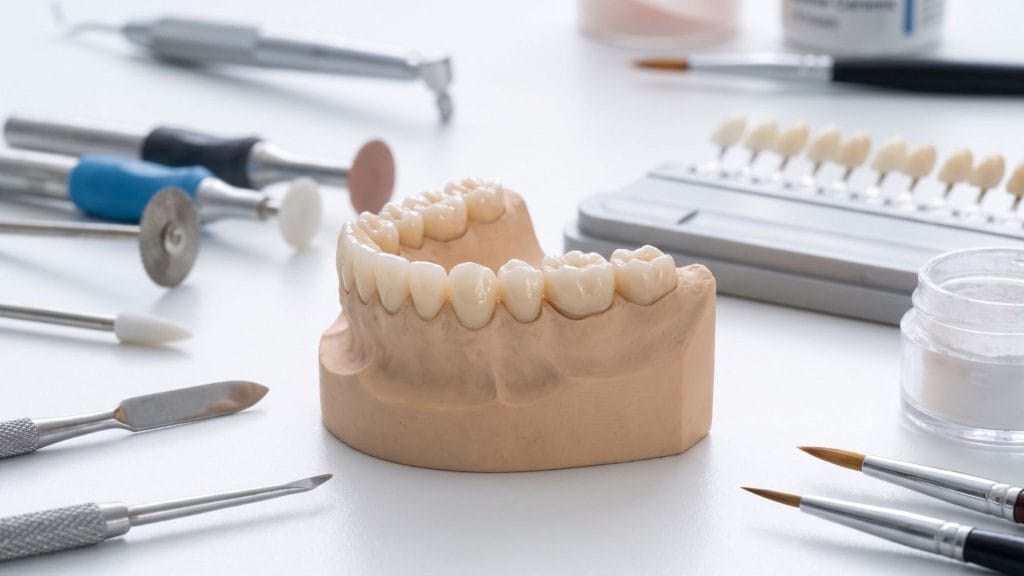
The quality of any restoration depends not only on the material but also on the expertise behind its fabrication. Zirconia Express, a North Carolina-based B2B dental laboratory, partners with dentists to deliver precision-crafted zirconia crowns and bridges designed for long-term clinical success. Every restoration is manufactured using advanced digital workflows, undergoes strict quality control, and is backed by warranties of up to five years, giving dental practices added confidence in every case.
For practices embracing digital dentistry, Zirconia Express also offers advanced digital dental cases powered by AI-driven design systems and three restoration shape options to match different clinical preferences.
Digital workflows improve communication, enhance accuracy, reduce turnaround times, and create a more predictable restorative experience for both dentists and their patients. Whether your practice submits traditional or digital cases, Zirconia Express provides dependable support from case planning through final delivery.
Conclusion
Full contour zirconia restorations continue to redefine restorative dentistry by combining exceptional strength, dependable longevity, natural aesthetics, and compatibility with modern digital workflows. Their ability to withstand demanding clinical conditions while reducing common complications makes them one of the most reliable restorative options available for today’s dental professionals. As materials and manufacturing technologies continue to evolve, zirconia is expected to remain a cornerstone of predictable restorative care.
Choosing high-quality zirconia dental restorations from an experienced laboratory can make a meaningful difference in treatment outcomes, workflow efficiency, and patient satisfaction. By partnering with a trusted digital dental lab that emphasizes precision, consistency, and long-term reliability, dentists can confidently deliver restorations that meet both functional and aesthetic expectations while supporting the continued growth of their practice.
FAQ’s
How long do Full Contour Zirconia Restorations typically last?
With proper case selection, accurate placement, and good oral hygiene, Full Contour Zirconia Restorations can last 10–15 years or longer. Regular dental checkups and proper maintenance help maximize their lifespan.
Are full-contour zirconia crowns suitable for front teeth?
Yes. Modern high-translucency full-contour zirconia crowns offer improved aesthetics, making them a suitable option for many anterior restorations, especially when strength is also a priority.
What makes zirconia different from porcelain restorations?
Zirconia is significantly stronger and more fracture-resistant than traditional porcelain. While porcelain may offer slightly higher translucency, zirconia provides greater durability and requires fewer repairs over time.
When are Full Contour Zirconia Bridges recommended?
Full Contour Zirconia Bridges are commonly recommended to replace multiple missing teeth, particularly in the posterior region, where restorations must withstand higher chewing forces.
Are zirconia restorations compatible with digital dentistry?
Absolutely. Most modern Zirconia Dental Restorations are designed and manufactured using digital impressions, CAD/CAM technology, and precision milling to improve fit and reduce turnaround times.
Do patients need any special care after receiving zirconia restorations?
No special care is required beyond maintaining good oral hygiene, avoiding harmful habits like chewing hard objects, and attending routine dental checkups to ensure the restoration remains in excellent condition.