
Zirconia Crown Translucency: Types, Shades & Selection
Zirconia Crown Translucency refers to how much light passes through a zirconia restoration, directly affecting how natural it looks next to surrounding teeth. Higher translucency generally improves esthetics but can reduce flexural strength, so the right level depends heavily on the specific clinical case.
Many clinicians still default to the zirconia formulation they’re most familiar with, without revisiting whether it meets each new case’s esthetic and functional demands. That habit often works for routine cases, but it can lead to restorations that look noticeably opaque in the smile line or chip prematurely under loads they weren’t built to handle. Treating translucency selection as a deliberate clinical decision, rather than an afterthought, avoids both outcomes.
This guide breaks down the translucency levels available today, how they affect both appearance and durability, and how to choose confidently based on tooth location and patient needs.
What Is Zirconia Crown Translucency?
Zirconia crown translucency describes the degree to which light transmits through the material rather than being fully reflected or absorbed at the surface. This property determines how closely a restoration mimics the natural light behavior of enamel and dentin.
Translucency is influenced primarily by the zirconia’s crystalline structure and yttria content, with higher yttria-stabilized formulations generally allowing more light transmission. Understanding this relationship helps clinicians predict how a restoration will actually look once seated, rather than relying solely on shade guide comparisons.
Grain size also plays a meaningful role alongside yttria content. Finer, more uniform grain structures scatter less light internally, which improves translucency, while larger or less uniform grains scatter more light and tend to produce a more opaque appearance even within the same yttria category. This is part of why two zirconia products with similar yttria percentages can still look noticeably different once milled and polished.
What Are the Different Zirconia Translucency Levels Available Today?
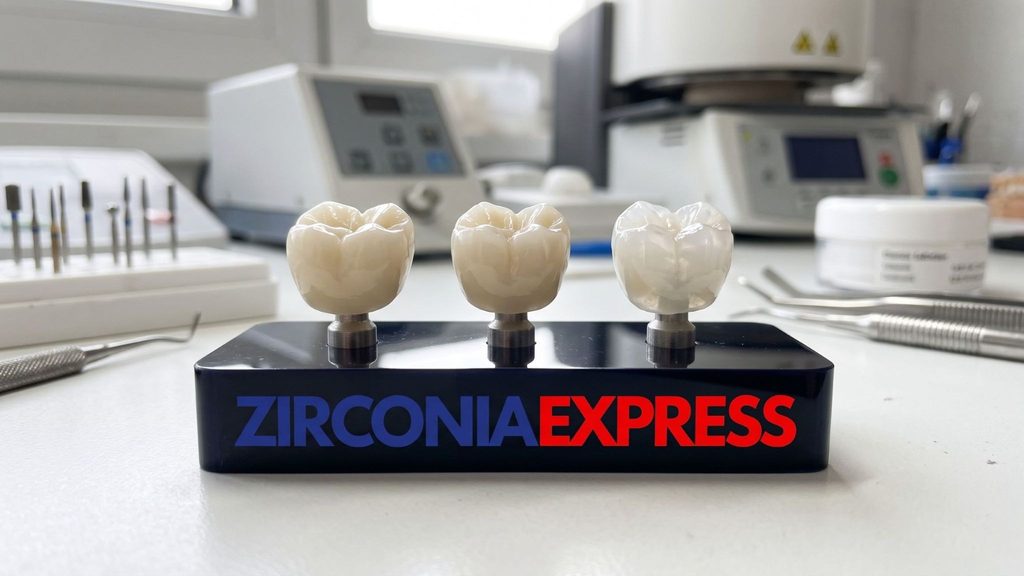
Zirconia translucency levels generally fall into four categories: conventional (3Y), high translucency (4Y), ultra translucency (5Y), and super translucency formulations developed more recently. Each category trades strength for translucency in a fairly predictable pattern as yttria content increases.
A simplified breakdown of these categories looks like this:
- 3Y zirconia: Lower translucency, highest flexural strength, best suited for posterior high-load cases
- 4Y zirconia: Moderate translucency with strong strength retention, versatile for both anterior and posterior use
- 5Y zirconia: Higher translucency with reduced flexural strength, generally reserved for lower load esthetic cases
- Super translucent formulations: Newest generation, offering improved light transmission while narrowing the strength gap compared to earlier 5Y materials
This progression gives clinicians a practical framework for matching material choice to case demands rather than defaulting to one formulation across every restoration.
How Does Zirconia Translucency Affect Aesthetics?
Higher translucency allows a restoration to better replicate how natural teeth interact with light, particularly in areas with thinner enamel or strong light exposure like the anterior zone. This matters most in cases where the restoration sits directly next to natural dentition that patients and observers will scrutinize closely.
Lower translucency materials, while stronger, tend to appear more opaque and can look slightly flat under certain lighting conditions compared to surrounding natural teeth. For anterior restorations specifically, this esthetic difference often becomes the deciding factor when choosing between formulations.
Lighting conditions outside the clinic also deserve consideration during case planning. A crown that looks well matched under the bright, consistent lighting of an operatory can sometimes appear slightly different under natural daylight or warm indoor lighting at home, which is worth discussing with patients who have particularly high esthetic expectations.
Zirconia Translucency vs Strength: What Is the Actual Trade-Off?
Zirconia translucency vs strength represents one of the most important trade-offs in modern restorative dentistry. As yttria content increases to improve light transmission, the material’s crystalline grain structure shifts in a way that generally reduces flexural strength and fracture resistance.
| Zirconia Type | Translucency Level | Flexural Strength | Best Clinical Use |
| 3Y zirconia | Low | Very high | Posterior molars, bruxism cases |
| 4Y zirconia | Moderate | High | Premolars, versatile anterior and posterior use |
| 5Y zirconia | High | Moderate | Anterior esthetic zone, lower load cases |
| Super translucent | Very high | Improved but still lower than 3Y | Anterior cases needing maximum esthetics |
This table reflects general tendencies rather than fixed rules, since specific manufacturer formulations can shift these numbers somewhat. Still, the underlying trade-off remains consistent across most commercially available zirconia materials.
Which Zirconia Is Most Translucent for Anterior Cases?
Super translucent and 5Y zirconia formulations currently offer the highest light transmission available in monolithic zirconia restorations. These materials work particularly well for anterior single units where esthetic demands outweigh the need for maximum structural strength.
That said, “most translucent” doesn’t automatically mean “best choice” for every anterior case. Patients with mild bruxism or heavier anterior contact may still benefit from a 4Y formulation that balances esthetics with somewhat higher durability, even in the esthetic zone.
How Do Dentists Choose Zirconia Translucency for Specific Cases?
Choosing the right translucency level starts with evaluating tooth location, occlusal load, and the patient’s esthetic expectations together rather than prioritizing just one factor. A systematic approach reduces the risk of selecting a material that looks great initially but fails prematurely under function.
A practical selection process includes the following steps.
- Assess occlusal load first, since posterior molars and bruxism cases generally call for lower translucency, higher strength formulations.
- Evaluate esthetic zone visibility, prioritizing higher translucency for anterior teeth with high visibility during smiling or speaking.
- Review patient-specific risk factors, such as parafunctional habits that might favor strength over maximum translucency.
- Confirm shade compatibility, ensuring the chosen translucency level still allows accurate shade matching with adjacent natural teeth.
Following this sequence consistently leads to more predictable long-term outcomes than choosing translucency based on esthetic preference alone.
How Is Zirconia Crown Shade Selection Different From Translucency Selection?
Zirconia crown shade selection determines the color match to surrounding teeth, while translucency determines how light behaves within the restoration itself. Though related, these are distinct properties that both need separate consideration during treatment planning.
A crown can match the correct shade perfectly on a shade guide yet still look slightly off once seated if the translucency level doesn’t suit the surrounding tooth structure’s natural light behavior. This is why shade selection should always be evaluated alongside translucency rather than treated as a single combined decision.
What Role Does High Translucent Zirconia Play in Modern Restorative Dentistry?
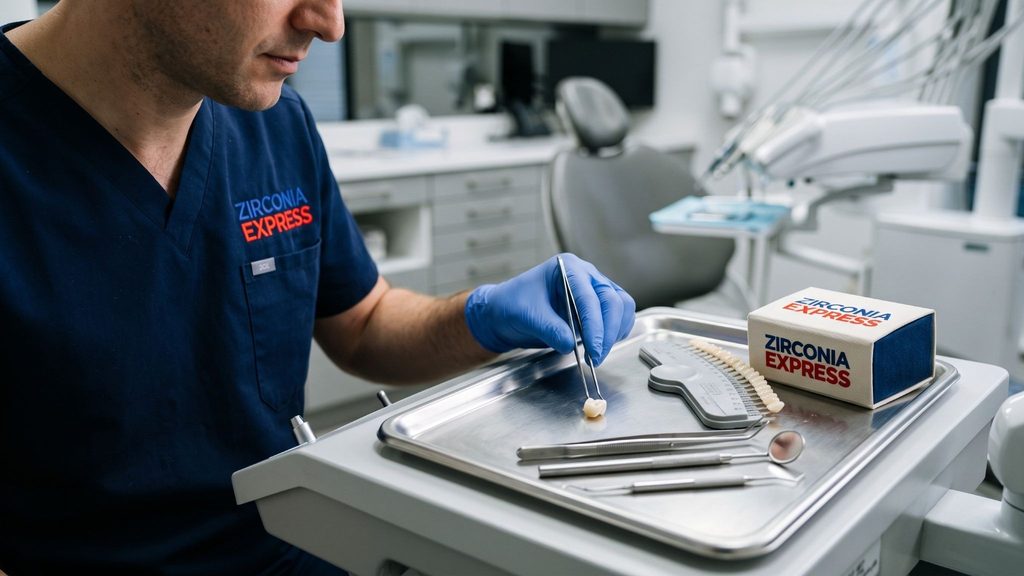
High-translucency zirconia has become increasingly common in anterior restorative cases as manufacturing improvements have narrowed the strength gap that once limited its clinical use. This shift has expanded the range of cases where monolithic zirconia can be used without layering porcelain for esthetics.
For many single-unit anterior crowns, high-translucency zirconia now offers a genuinely viable alternative to layered restorations, reducing the chipping risk associated with porcelain veneers while still meeting reasonable esthetic expectations.
This shift has also simplified case planning in certain respects, since a single monolithic restoration involves fewer fabrication steps than a layered crown requiring separate porcelain application. Fewer steps generally translate into more predictable turnaround times, which matters for practices managing multiple cases simultaneously.
Why Partner With Zirconia Express for Translucency-Sensitive Cases?
Getting consistent results with any zirconia translucency level depends heavily on the laboratory’s milling precision, shade matching process, and quality control standards. Even the right material choice can underperform if fabrication quality varies between cases.
Zirconia Express produces premium zirconia crowns and bridges backed by up to a 5-year warranty, giving practices a dependable foundation across every translucency level, from high-strength posterior restorations to esthetic anterior cases. High-strength zirconia combined with careful attention to natural esthetics means practices don’t have to compromise durability to achieve a result that looks right in the mouth.
For practices working within digital workflows, Zirconia Express also offers AI-powered digital dental cases with three anatomical shape options, supporting precise, consistent case planning from design through fabrication. This combination of consistent quality and reliable turnaround makes it easier for dentists to apply the right translucency and shade decisions with confidence rather than guesswork about lab variability.
If your practice wants a laboratory partner that understands the clinical nuances behind translucency and strength trade-offs, reaching out to Zirconia Express is a practical next step.
Conclusion
Selecting the right Zirconia Crown Translucency comes down to weighing occlusal load, esthetic zone visibility, and patient-specific risk factors together rather than defaulting to a single preferred formulation. The right choice differs meaningfully between a posterior molar and a highly visible anterior restoration.
As you review current case selection protocols, the clear next step is matching each patient’s zirconia crown shades and translucency needs against their actual occlusal demands before finalizing the material choice. That extra step helps prevent both esthetic disappointment and early structural failure down the line.
FAQ’s
What is the difference between 3Y and 5Y zirconia translucency?
3Y zirconia offers higher flexural strength with lower translucency, making it suited for high-load posterior cases, while 5Y zirconia offers higher translucency with reduced strength, better suited for anterior esthetic zones.
Does higher zirconia translucency always mean lower strength?
Generally yes, since increased yttria content that improves translucency typically alters the crystalline structure in a way that reduces flexural strength, though newer formulations have narrowed this gap somewhat.
Can high translucent zirconia be used for molars?
High translucent zirconia can technically be used for molars, but it’s generally not recommended for heavy occlusal load cases where higher strength formulations perform more reliably over time.
How does translucency affect zirconia crown shade matching?
Translucency affects how light interacts within the restoration, which can influence how a selected shade actually appears once seated, making both factors important to evaluate together.
Is super translucent zirconia strong enough for everyday use?
Super translucent zirconia has improved strength compared to earlier 5Y formulations, making it suitable for most everyday anterior use, though it still isn’t the preferred choice for high-load posterior restorations.