
What Is Posterior Translucent Zirconia? A Complete Guide
Posterior Translucent Zirconia is a high-strength, light-transmitting ceramic material used to fabricate crowns and bridges for molars and premolars. It combines the durability dentists need in the back of the mouth with an esthetic quality that used to be reserved for anterior restorations. For clinicians choosing between materials, understanding how this ceramic performs under chewing forces and how it looks next to natural enamel is essential before recommending it to a patient.
Over the past decade, zirconia formulations have evolved from opaque, monolithic blocks toward multi-layered discs that mimic the natural gradient of a tooth, driven largely by patient demand for seamless-looking restorations. Manufacturers have preserved the flexural strength zirconia is known for in high-stress zones like molars so clinicians no longer have to choose between strength and aesthetics. This evolution sets the stage for what sets today’s translucent posterior zirconia apart.
This guide breaks down what makes Translucent Zirconia for Posterior Teeth different from older zirconia generations, when it’s the right clinical choice, and how it stacks up against other restorative materials.
What Is Posterior Translucent Zirconia?
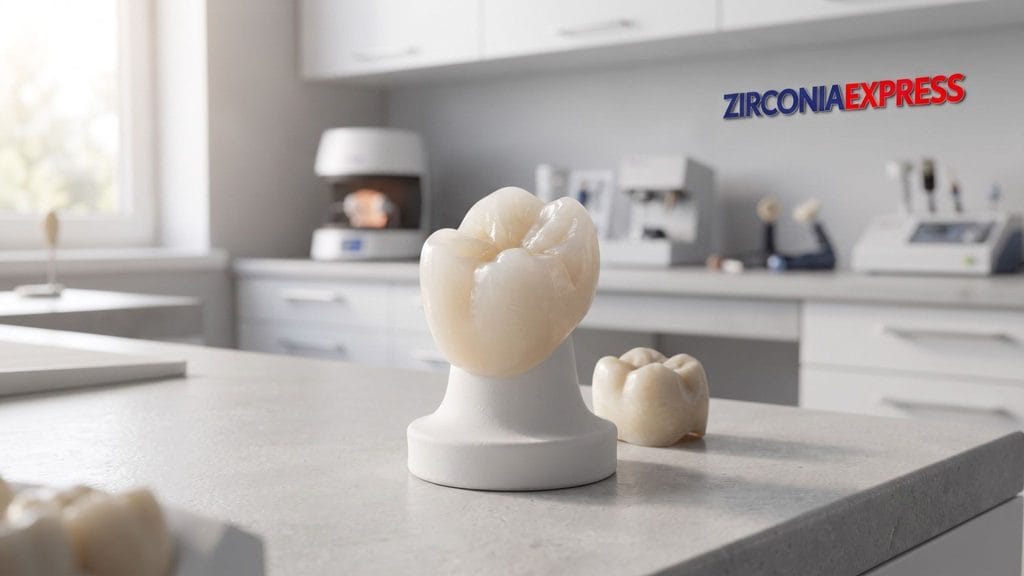
Posterior translucent zirconia is a monolithic or high-strength zirconia ceramic engineered specifically for load-bearing areas of the mouth. Unlike opaque, first-generation zirconia, this material allows a controlled amount of light to pass through the crown, mimicking the way natural dentin and enamel interact with light.
It’s manufactured using a milled zirconia block that has been formulated to balance two competing properties: flexural strength and translucency. Dental labs sinter these blocks at high temperatures to achieve the final hardness and clarity the restoration needs.
How Is Translucent Zirconia for Posterior Teeth Different From Traditional Zirconia?
Traditional zirconia, often called 3Y zirconia, was designed almost entirely for strength. It works well structurally but tends to look flat and opaque, which is why it was historically reserved for back teeth where esthetics mattered less.
Translucent Zirconia for Posterior Teeth uses a modified yttria content, typically in the 4Y or 5Y range, to increase light transmission. The tradeoff is a slightly lower flexural strength compared to 3Y zirconia, though it remains well above the threshold needed for molar function. Labs select the specific zirconia grade based on the patient’s bite force, tooth position, and esthetic demands.
Why Do Dentists Choose Posterior Zirconia Crowns for Molars and Premolars?
Posterior Zirconia Crowns solve a problem that porcelain-fused-to-metal restorations couldn’t: durability without a dark metal margin or a bulky, opaque appearance. Molars and premolars absorb the highest chewing loads in the mouth, so material fracture resistance is non-negotiable.
Zirconia also resists wear on opposing natural teeth better than some ceramic alternatives when properly polished. It’s biocompatible, doesn’t corrode, and holds its shade over time far better than composite-based restorations.
Dentists also appreciate the reduced chair time. Because zirconia crowns can be milled digitally, same-day or next-day turnaround is realistic for many cases, which matters for busy practices managing multiple patients per day.
What Makes High Translucent Zirconia Strong Enough for Back Teeth?
High Translucent Zirconia achieves its strength through a tightly controlled crystalline structure. Zirconia’s flexural strength typically ranges from around 800 MPa to over 1200 MPa depending on the yttria content, compared to roughly 100 to 400 MPa for feldspathic porcelain.
Even the more translucent formulations, which sacrifice some strength for esthetics, generally exceed 600 MPa, which is more than sufficient for posterior chewing forces that average between 200 and 250 pounds of bite force in healthy adults. This is why modern zirconia can be used monolithically in the posterior region without a porcelain overlay, reducing the risk of chipping that plagued layered restorations.
How Does a Translucent Zirconia Crown Compare to PFM Crowns?
A Translucent Zirconia Crown and a porcelain-fused-to-metal crown solve the same clinical problem in very different ways. PFM crowns rely on a metal substructure for strength, which often shows as a dark line at the gumline as tissue recedes over time.
Zirconia crowns eliminate that metal margin. They’re also more biologically inert, since some patients have sensitivities to base metal alloys used in PFM frameworks.
From a lab production standpoint, zirconia is fully digital, from scanning to milling to sintering. PFM requires manual metal casting and layering, which introduces more variability from technician to technician and typically takes longer to fabricate.
When Should Dentists Recommend Posterior Translucent Zirconia to Patients?

Posterior translucent zirconia is a strong option for patients who grind their teeth, have a history of fractured crowns, or need a restoration on a molar with heavy occlusal contact. It also works well for patients who want a natural-looking crown but can’t tolerate the added tooth reduction that layered ceramics require.
It’s less ideal for patients needing extremely thin restorations with minimal tooth structure, since even translucent zirconia requires adequate occlusal thickness to perform predictably. In these cases, a dentist should consult with their lab about material thickness recommendations before finalizing the treatment plan.
Which Is Better: Monolithic Zirconia or Layered Zirconia for Posterior Restorations?
Monolithic zirconia is milled as a single solid piece and stained on the surface to match the shade. It’s the more durable option since no porcelain veneer layer can chip or delaminate over time.
Layered zirconia uses a zirconia core with a porcelain overlay for enhanced esthetics, which is common in the anterior region where translucency and shade blending are more visually critical. For posterior teeth, most clinicians favor monolithic or high translucent zirconia because the functional demands outweigh the marginal esthetic gain from layering.
The right choice ultimately depends on the patient’s occlusion, parafunctional habits, and how visible the tooth is when they smile.
Why Partner With Zirconia Express for Your Posterior Zirconia Crowns?
Choosing the right dental lab matters just as much as choosing the right material. Zirconia Express, based in North Carolina, works with dentists, prosthodontists, implant specialists, and dental laboratories who need consistent, predictable results on every case.
Every crown and bridge is backed by up to a 5-year warranty, giving practices confidence in the long-term durability of their restorations. The lab uses high-strength zirconia formulated for exactly the kind of posterior cases discussed in this guide, balancing strength with a natural finish patients notice right away.
For practices moving toward fully digital workflows, Zirconia Express also offers digital dental cases built with an AI-driven design system. Dentists can choose from three anatomical shape options, which speeds up case acceptance and reduces the back and forth typically needed to finalize a crown’s anatomy. Combined with dependable turnaround times, this makes it easier for practices to keep chairside schedules on track without compromising on quality.
If your practice is looking for a lab partner that understands the clinical and technical side of modern zirconia restorations, reach out to Zirconia Express to discuss your next case.
Conclusion
Posterior Translucent Zirconia has changed what dentists can offer patients who need a durable, natural-looking restoration on their back teeth. It closes the gap between the strength dentistry has always needed in the posterior region, and the esthetics patients now expect from any visible restoration.
As more practices shift toward monolithic and high translucent zirconia for molar and premolar cases, choosing an experienced lab partner becomes just as important as understanding the material itself. Working with a lab that can match the right zirconia grade to each patient’s bite and esthetic needs helps ensure the restoration performs well for years, not just months, after cementation.
FAQ’s
What is posterior translucent zirconia used for?
It’s used to fabricate crowns and bridges for molars and premolars, offering high fracture resistance combined with a more natural, tooth-like appearance than traditional opaque zirconia.
Is translucent zirconia strong enough for molars?
Yes. Most translucent zirconia formulations maintain a flexural strength above 600 MPa, which comfortably exceeds the average bite force generated in the posterior region of the mouth.
How long do posterior zirconia crowns last?
With proper fit and occlusal adjustment, posterior zirconia crowns commonly last 10 to 15 years or longer, though individual results depend on oral hygiene, bite force, and whether the patient grinds their teeth.
Does translucent zirconia look natural on back teeth?
Yes. High-translucency zirconia mimics the light transmission of natural dentin, helping the restoration blend more naturally with surrounding teeth than older, opaque zirconia crowns.
What’s the difference between 3Y and 5Y zirconia?
3Y zirconia has higher flexural strength but lower translucency, while 5Y zirconia offers greater esthetics with a moderate reduction in strength. Many labs use 4Y zirconia as a middle ground for posterior restorations.