

Multilayer Zirconia Dental Bridges: A Full 2026 Overview
Patients want restorations that look real. Dentists want restorations that last. Multilayer Zirconia Dental Bridges are one of the few options that deliver both without forcing a compromise between the two. This is exactly why more clinics are moving away from older bridge materials that ask them to pick one priority over the other. The shift isn’t just cosmetic preference either; it’s driven by patients asking sharper questions about durability before they agree to treatment.
This guide breaks down what multilayer zirconia actually is, how it’s built, when it makes clinical sense, and how it compares to older bridge materials. It’s written for dentists, prosthodontists, and lab partners who want a clear, current reference for 2026.
What Are Multilayer Zirconia Dental Bridges?
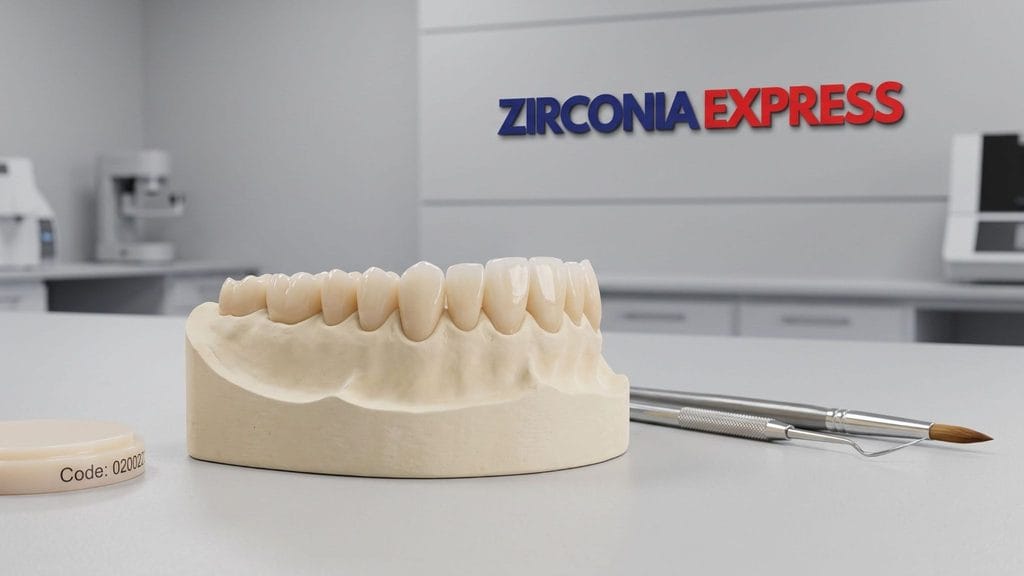
A multilayer zirconia bridge is a fixed dental restoration milled from a single disc of zirconia that has been engineered in graduated layers. Each layer has a different translucency and shade, moving from a stronger, more opaque zirconia at the base near the gum to a lighter, more translucent layer near the incisal edge.
This layered structure mimics how a natural tooth is built. Real enamel is translucent at the edge and denser near the root, so a bridge made this way can reproduce that same optical depth without hand layered porcelain.
The result is a restoration that looks shaded from within, not painted on the surface. That’s the core reason multilayer zirconia has largely replaced older monolithic and layered porcelain systems for visible bridge work.
How Does Multilayer Zirconia Differ From Monolithic Zirconia?
Monolithic zirconia is milled from a disc with one consistent shade and strength level throughout. It’s strong and reliable, but it can look flat or opaque, especially in the front of the mouth where light transmission matters most.
Multilayer zirconia solves this by blending several zirconia formulations into one disc during manufacturing. The strength stays concentrated where the bridge needs it, typically at the connectors and pontic base, while the translucency increases toward the biting edge.
In short:
- Monolithic zirconia: one shade, one strength level, more opacity
- Multilayer zirconia: graduated shade and strength in a single milled piece
- Layered porcelain on zirconia: highest aesthetics, but a weaker, chip-prone veneer layer
For most posterior and anterior bridge cases, multilayer zirconia strikes the practical middle ground.
Why Are Multilayer Zirconia Bridges Becoming the Standard for Natural-Looking Restorations?
Aesthetics used to mean sacrificing strength. Porcelain fused to metal restorations looked reasonably natural but relied on a veneer layer that could chip or wear unevenly over time. Multilayer zirconia removed that trade-off.
Dentists increasingly choose natural-looking zirconia bridges because the shade transition happens inside the material itself, not on the surface. That makes the color far more stable over years of function, staining, and polishing.
A few reasons this material has become the default choice for visible bridge cases:
- The graduated shading closely matches adjacent natural teeth without extra staining steps
- There’s no porcelain veneer to chip, crack, or delaminate
- Chairside adjustments and polishing don’t expose a duller core shade underneath
- Shade matching is more predictable because the disc itself carries the gradient
Patients notice the difference immediately, especially in the smile zone where light reflects off the incisal edge.
How Strong Are Multilayer Zirconia Dental Bridges?
Strength depends on where in the disc the bridge is milled from. The base zirconia layer used in most multilayer discs has flexural strength that generally ranges from around 800 to over 1,000 megapascals, depending on the specific formulation and manufacturer.
That’s well above what porcelain-fused-to-metal veneer layers can tolerate, and it’s more than enough for multi-unit posterior bridges under normal occlusal load. The multilayer zirconia bridge material used for connectors is typically pulled from the stronger, more opaque zone of the disc, while the visible pontic and abutment surfaces draw from the more translucent zone.
This is why connector design and milling orientation matter so much in the lab. A well-planned multilayer restoration places strength exactly where the bite forces concentrate, without sacrificing the appearance of the visible surfaces.
When Should Dentists Choose a Multilayer Zirconia Bridge?
Multilayer zirconia works well across a wide range of cases, but it’s particularly suited to a few common clinical situations.
Consider it when:
- The bridge spans anterior or premolar teeth where shade matching is critical
- The patient has a history of chipping or fracturing porcelain restorations
- Limited interocclusal space rules out a bulky layered porcelain design
- The case involves implant-supported bridges that need both strength and a natural emergence profile
- Long-term color stability matters more than achieving the absolute highest level of translucency
For full arch implant cases or bruxism patients, the stronger base layers of multilayer zirconia provide a real safety margin that porcelain veneered restorations often can’t match.
Which Is Better: Multilayer Zirconia or PFM Bridges?
This comes down to what the case demands. PFM bridges have a long clinical track record and remain serviceable for certain posterior cases where aesthetics are a lower priority.
But for most modern cases, multilayer zirconia has clear advantages:
- No metal margin that can show a dark line at the gumline over time
- No risk of porcelain fracturing off a metal substructure
- Better biocompatibility for patients with metal sensitivities
- A more efficient digital workflow from scan to final mill
PFM still has a place in some budget-conscious or heavily loaded posterior situations. For anything visible, or for patients who want a restoration that will hold its appearance for years, multilayer zirconia is generally the stronger recommendation.
How Are Multilayer Zirconia Bridges Digitally Designed and Fabricated?
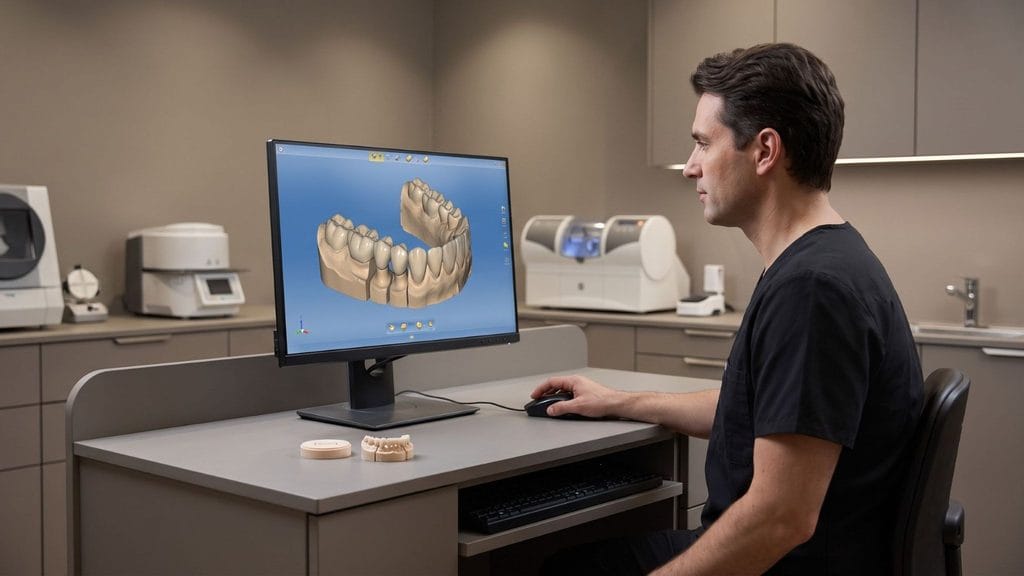
The modern workflow starts with an intraoral or lab scan rather than a physical impression. That digital file is used to design the bridge framework, pontic contours, and connector dimensions in specialized CAD software.
Once the design is finalized, the case is milled from the multilayer zirconia disc, sintered under high heat to reach full strength, then stained and glazed to fine-tune the final shade. AI-assisted design tools are now common in this process, helping technicians propose anatomically accurate tooth shapes before a human technician refines the final result.
This digital approach shortens turnaround time and reduces the remakes that used to come from manual layering errors. It also gives dentists more predictable results case after case, which matters when a lab is handling volume for multiple practices.
Why Dentists Partner With Zirconia Express for Multilayer Zirconia Bridges
Choosing the right lab partner matters as much as choosing the right material. Zirconia Express, a dental laboratory based in North Carolina, works with dentists, prosthodontists, implant specialists, and other labs who need dependable, natural-looking zirconia restorations delivered on schedule.
Every crown and bridge case is backed by up to a 5-year warranty, built from high-strength zirconia, and finished with aesthetics designed to blend seamlessly into the patient’s existing dentition. That combination of durability and appearance is exactly what multilayer zirconia is meant to deliver, and it’s the standard applied to every case that goes through the lab.
For practices running a digital workflow, Zirconia Express also offers digital dental cases powered by an AI-driven design system, with three anatomical shape options to match different patient profiles and clinical goals. The system is built for precision and full compatibility with existing digital scanning and design pipelines, so cases move from scan to final restoration without unnecessary back-and-forth.
Dentists consistently value consistency most. Fast turnaround only matters if every case meets the same quality standard, and that reliability is what keeps practices sending their bridge and crown work to the same lab case after case.
If your practice is ready for a lab partner that treats strength and aesthetics as equally important, reach out to Zirconia Express to discuss your next case.
Conclusion
Multilayer Zirconia Dental Bridges have changed what dentists can reasonably promise patients: a restoration that looks like a natural tooth from every angle and holds up under real bite force for years, not months. The material’s graduated shade and strength zones remove the old trade-off between appearance and durability that shaped bridge design for decades.
As more practices shift to full digital workflows, multilayer zirconia bridge cases will only become more precise and consistent, especially as AI-assisted design tools mature alongside milling technology. For dentists evaluating their next bridge case, the material itself is rarely the limiting factor anymore. The lab behind it is.
FAQ’s
What is a multilayer zirconia dental bridge made of?
It’s milled from a single zirconia disc engineered with graduated shade and strength zones, ranging from a denser, more opaque base to a translucent incisal layer, all sintered into one solid restoration.
Are multilayer zirconia bridges as strong as monolithic zirconia?
Yes, in most cases. The base layers used for connectors and load-bearing areas typically match the flexural strength of standard monolithic zirconia, often in the 800 to 1,000+ megapascal range depending on the disc.
How long do multilayer zirconia bridges typically last?
With proper care and normal occlusal function, multilayer zirconia bridges commonly last 10 to 15 years or longer, since there’s no porcelain veneer layer to chip or delaminate over time.
Can multilayer zirconia bridges be used for implant-supported restorations?
Yes. Multilayer zirconia is a common choice for implant-supported bridges because it combines the strength needed at the connector level with a natural emergence profile and shade at the visible surface.
Is multilayer zirconia better than PFM for front teeth?
Generally yes. Multilayer zirconia avoids the dark metal margin and shade mismatch that can occur with PFM restorations, making it a stronger choice for anterior cases where appearance is a priority.