
Dental Crown Material Zirconia: Strength Meets Aesthetics
For years, dentists faced a frustrating trade-off. They could choose a crown that looked beautiful but cracked under pressure, or one that lasted forever but looked obviously fake. Zirconia changed that conversation entirely. Today, it stands out as one of the most reliable, lifelike, and durable options available, and it has quietly become a staple in clinics that refuse to compromise on either function or appearance.
If you’ve been weighing your restorative options or simply want to understand why so many labs and practitioners are leaning toward this material, you’re in the right place. Let’s break down everything worth knowing about dental crown material zirconia, from its core properties to how it stacks up against the alternatives.
What Is Dental Crown Material Zirconia?
Zirconia is a ceramic material derived from zirconium dioxide (ZrO₂), a white crystalline oxide of the metal zirconium. In dentistry, it’s used to fabricate crowns, bridges, implants, and other restorations that demand a combination of mechanical strength and biological compatibility.
What makes zirconia special is its molecular structure. It’s a polycrystalline ceramic, meaning it lacks the glassy phase found in traditional porcelain. This gives it remarkable toughness while still allowing for excellent aesthetic outcomes when processed correctly.
Unlike older metal-based restorations, zirconia, the material used for tooth crowns, contains no metal at all. That means no dark gum lines, no allergic reactions to metal alloys, and a natural translucency that blends with surrounding teeth. For patients and dentists alike, it represents the best of both worlds.
Why Zirconia Is Changing Modern Restorative Dentistry
A decade ago, porcelain-fused-to-metal (PFM) crowns dominated the field. They were strong, but they tended to reveal grayish metal edges over time. Zirconia flipped the script.
The shift comes down to three things: durability, aesthetics, and digital compatibility. Zirconia restorations rarely chip or fracture, they look convincingly natural, and they fit seamlessly into the CAD/CAM workflows that modern labs rely on.
There’s also a practical angle. Because zirconia is so resistant to wear and breakage, dentists report fewer remakes and follow-up repairs. That translates into happier patients and more predictable clinical outcomes, two things every practice values.
The result is a material that doesn’t just match the older standards but redefines them. When people talk about premium Crown Dental Materials today, zirconia is almost always at the center of the conversation.
Dental Crown Material Properties That Matter Most
When evaluating any restorative ceramic, certain dental crown material properties determine whether it succeeds in the mouth. Zirconia performs impressively across nearly all of them.
Here’s what sets it apart:
- Flexural strength: Zirconia typically ranges from 600 to over 1,200 MPa, depending on the formulation, far exceeding lithium disilicate (around 360–400 MPa) and traditional porcelain.
- Fracture toughness: Its crystal structure resists crack propagation, making it one of the toughest dental ceramics available.
- Biocompatibility: Zirconia is inert and well-tolerated by gum tissue, with no documented allergic responses.
- Wear resistance: Properly polished zirconia is gentle on opposing teeth while remaining highly wear-resistant.
- Aesthetic translucency: Newer multilayer formulations mimic the gradient of natural enamel and dentin.
These properties explain why zirconia handles the heavy chewing forces of molars while still looking presentable in the smile zone. Few materials can claim that kind of versatility.
Types of Zirconia That are Used for Dental Crowns
Not all zirconia is identical. Manufacturers have developed several generations, each balancing strength and beauty differently. Understanding these distinctions helps clinicians pick the right product for each case.
| Type | Translucency | Strength | Best Use |
| 3Y-TZP (First Gen) | Low / Opaque | Very High (~1,200 MPa) | Posterior crowns, long-span bridges |
| 4Y-PSZ | Moderate | High (~720–900 MPa) | Premolars, combined zones |
| Multilayer Zirconia | Gradient | Varies by layer | Full-arch and aesthetic cases |
First-generation high-strength zirconia is the workhorse for back teeth and bridges. The newer 4Y and 5Y formulations sacrifice a bit of raw strength for stunning translucency, making them ideal for front teeth where appearance is everything.
Multilayer blanks deserve special mention. They feature built-in color and translucency gradients, so a single crown can transition from a darker cervical area to a brighter incisal edge, just like a real tooth.
Benefits of Tooth Crown Material Zirconia
The advantages of choosing zirconia extend well beyond strength. Here’s why it has earned its reputation as a go-to option:
- Exceptional durability. Zirconia crowns withstand the daily grind, literally. They resist cracking even under significant bite forces, which is why they’re trusted for molars and bruxism patients.
- Natural appearance. Modern zirconia mimics enamel’s light-reflecting qualities, eliminating the artificial, opaque look of older materials.
- Metal-free comfort. No metal substructure means no gray margins and no concerns about metal sensitivity.
- Minimal tooth reduction. Because zirconia is so strong, thinner restorations can be milled, preserving more of the patient’s natural tooth structure.
- Biocompatibility. The material integrates well with soft tissue, supporting healthy gums around the restoration.
- Stain resistance. Its dense, non-porous surface resists discoloration from coffee, tea, and wine far better than composite alternatives.
For dentists who want to deliver long-lasting results with fewer callbacks, these benefits add up quickly.
Potential Limitations and Considerations
No material is perfect, and honesty matters when choosing the dental crown material zirconia, for a given patient. There are a few considerations worth keeping in mind.
The original high-strength zirconia is quite opaque, which can be a drawback in highly visible areas. While newer translucent versions solve much of this, the most translucent options are slightly weaker, so there’s always a trade-off between beauty and brute strength.
Zirconia can also be abrasive to opposing dentition if it isn’t properly polished or glazed. A rough surface accelerates wear on natural teeth, so the quality of the finish is critical.
Adjustments can be challenging, too. Because zirconia is so hard, chairside modifications require specialized burs and careful technique. And bonding protocols differ from those used with glass ceramics, demanding proper surface treatment for reliable adhesion.
None of these is a dealbreaker. They simply highlight why working with a skilled dental laboratory makes such a difference in the final outcome.
Dental Crown Material Zirconia vs Other Crown Materials
How does zirconia compare to the alternatives dentists have relied on for years? A side-by-side look clears things up.
| Feature | Zirconia | Lithium Disilicate (E.max) | PFM | All-Porcelain |
| Strength | Very High | Moderate–High | High | Low–Moderate |
| Aesthetics | Excellent | Excellent | Good | Excellent |
| Metal-Free | Yes | Yes | No | Yes |
| Wear on Opposing Teeth | Low (if polished) | Low | Moderate | Low |
| Best Location | Anywhere | Front/premolar | Anywhere | Front only |
| Longevity | 10–15+ years | 10+ years | 10–15 years | 5–10 years |
Lithium disilicate competes closely on aesthetics but can’t match zirconia for raw strength, especially in bridges. PFM remains durable but suffers from those telltale metal margins. Traditional all-porcelain restorations offer beauty but lack the toughness for posterior restorations.
The takeaway? Zirconia, a crown material, offers the widest range of clinical use while delivering reliable performance across the board.
How Dentists Choose the Best Dental Crown Material Zirconia
Selecting the right restoration isn’t a one-size-fits-all decision. Experienced clinicians weigh several factors before settling on the best dental crown material zirconia, for each case.
Key considerations include:
- Location of the tooth: Posterior teeth favor high-strength formulations; anterior teeth call for translucent varieties.
- Patient’s bite force: Bruxers and heavy chewers benefit from tougher zirconia grades.
- Aesthetic demands: Front teeth in the smile line require maximum translucency and color matching.
- Span length: Multi-unit bridges need the structural support that monolithic zirconia provides.
- Budget and longevity goals: Patients seeking a long-term investment often gravitate toward zirconia for its durability.
A thoughtful dentist also factors in the lab’s capabilities. The finest zirconia blank still depends on precise milling, expert shading, and proper sintering to reach its full potential.
Clinical Applications of Crown Material Zirconia
Zirconia’s versatility shows up across a wide spectrum of restorative scenarios. It’s not limited to single crowns, far from it.
Common applications include:
- Single crowns on both anterior and posterior teeth
- Multi-unit bridges, including long-span restorations
- Implant-supported crowns and abutments
- Full-arch reconstructions for complex rehabilitation cases
- Veneers in select aesthetic situations
This adaptability is one reason it has become so popular. A single material can address routine and complex cases alike, simplifying inventory and streamlining workflows for both clinic and lab.
Digital Dentistry and Zirconia Manufacturing
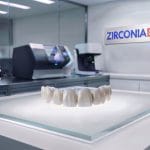
Here’s where zirconia truly shines in the modern era. The material pairs perfectly with digital dentistry. Intraoral scanners capture precise impressions, CAD software designs the restoration, and CAM milling machines carve it from a solid block with extraordinary accuracy.
The process typically follows these steps:
- Digital scan of the prepared tooth and surrounding structures
- CAD design of the crown with exact margins and contacts
- Milling from a pre-shaded zirconia blank
- Sintering in a high-temperature furnace to achieve full density and strength
- Staining, glazing, and polishing for the final aesthetic finish
This digital approach reduces human error, shortens turnaround times, and produces restorations that fit more accurately than ever before. AI-driven design tools take it a step further by automatically optimizing anatomy and occlusion, ensuring consistent results case after case.
Maintenance and Longevity
One of zirconia’s quiet strengths is how little it asks of the patient. Caring for a zirconia restoration is refreshingly simple.
Patients should:
- Brush twice daily with a non-abrasive toothpaste
- Floss around the crown to keep gum tissue healthy
- Attend regular dental checkups for professional cleaning
- Avoid using teeth as tools to crack hard objects
With this basic care, zirconia crowns routinely last 10 to 15 years or more. Their stain resistance keeps them looking fresh, and their structural integrity means they rarely need to be replaced. For patients, that’s outstanding long-term value; for dentists, it’s a reliable result they can stand behind.
Order High-Quality Zirconia Crowns, Bridges, and Digital Cases from Zirconia Express
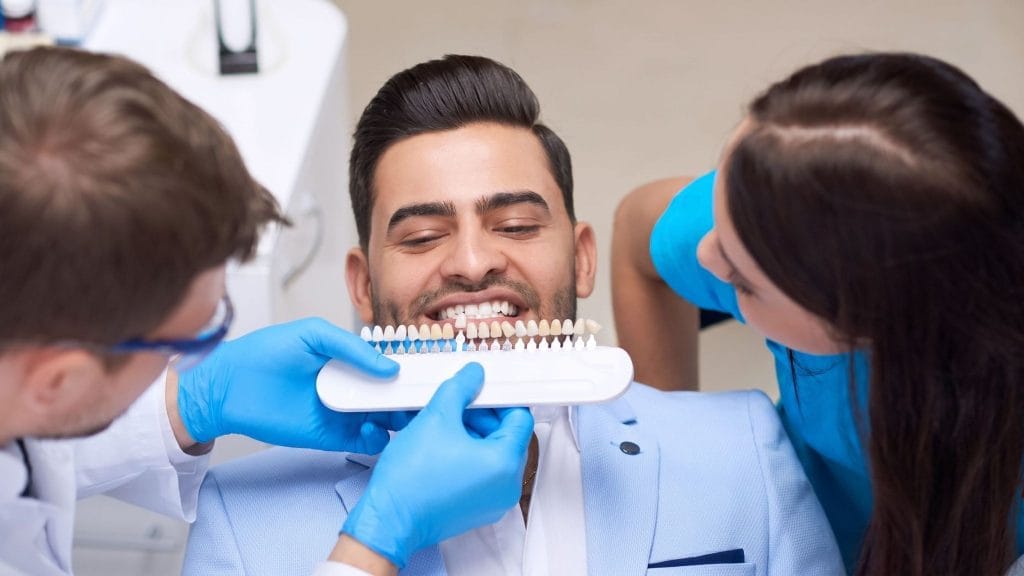
If you’re ready to deliver restorations your patients will love without the headaches of inconsistent lab work, Zirconia Express is your ideal partner.
Every restoration is crafted with precision and care. Our zirconia crowns and bridges are manufactured to premium standards and backed by up to a 5-year warranty, giving you and your patients genuine peace of mind. When you place a case with us, you’re investing in quality that holds up over the long haul.
We also bring innovation to the table with digital dental cases powered by AI-driven design systems, available in three anatomical shapes for greater efficiency and precision. Whether you need a single unit or a complex full-arch case, our digital workflow ensures accuracy from scan to seat.
Here’s why dental professionals choose to outsource to us:
- Consistent quality: Every crown meets the same exacting standards, case after case.
- Fast turnaround: Our streamlined digital workflow gets restorations back to you quickly.
- Clear communication: We keep you informed at every stage, so there are no surprises.
- Seamless digital integration: Send your intraoral scans and let our system handle the rest.
- Reliable warranty: Up to five years of coverage protects your work and your reputation.
Partnering with Zirconia Express means spending less time managing remakes and more time caring for your patients. Let us handle the lab work so you can focus on dentistry.
Conclusion
Zirconia has earned its place at the forefront of restorative dentistry for good reason. It delivers the strength to survive years of chewing forces, the aesthetics to blend invisibly with natural teeth, and the precision that modern digital workflows demand. Few materials offer such a complete package.
For dentists seeking durability, beauty, and long-term value all in one, dental crown material zirconia remains the smart, dependable choice. And when you combine that material with an expert lab partner like Zirconia Express, you give every patient a restoration built to last and a smile they’ll be proud to show off.
FAQ’s
What is dental crown material zirconia?
Dental crown material zirconia is a metal-free ceramic known for its exceptional strength, natural appearance, and long-lasting performance.
How long do zirconia crowns last?
With proper care and regular dental visits, zirconia crowns can last 10 to 15 years or even longer.
Is zirconia stronger than porcelain?
Yes. Zirconia is much stronger than traditional porcelain and is more resistant to chipping and fractures.
Are zirconia crowns safe for people with metal allergies?
Yes. Zirconia is completely metal-free and highly biocompatible, making it a safe option for most patients.
Can tooth crown material zirconia look natural?
Yes. Modern zirconia closely mimics natural enamel, providing an attractive and lifelike smile.