

High Translucency Zirconia: Dental Lab Processing Tips
The demand for high translucency zirconia has increased significantly in modern restorative dentistry. Dentists and patients want restorations that combine natural aesthetics with long-term durability. Traditional zirconia offered exceptional strength but often lacked the lifelike appearance needed for highly visible restorations. Today’s advanced high translucency zirconia materials bridge that gap by delivering both beauty and performance.
For dental laboratories, however, working with high translucency zirconia requires a deeper understanding of design parameters, milling strategies, sintering protocols, staining techniques, and quality control measures. Small processing mistakes can affect translucency, fit, color accuracy, and overall restoration success.
This guide provides practical, data-driven processing recommendations that help dental labs maximize the benefits of high translucency zirconia while producing consistent, predictable restorations for dentists.
What Is High Translucency Zirconia?
High translucency zirconia is a newer generation of zirconia designed to allow more light transmission than conventional zirconia. Through modifications in grain structure, yttria content, and manufacturing processes, manufacturers have significantly improved the material’s optical properties.
Compared with traditional zirconia:
| Property | Conventional Zirconia | High Translucency Zirconia |
| Aesthetics | Moderate | Excellent |
| Light Transmission | Low | High |
| Flexural Strength | Very High | High |
| Anterior Suitability | Limited | Excellent |
| Monolithic Use | Common | Highly Recommended |
The improved aesthetics make high translucency zirconia particularly attractive for anterior restorations, cosmetic cases, and patients seeking highly natural-looking smiles.
Why High Translucency Zirconia Is Growing in Popularity
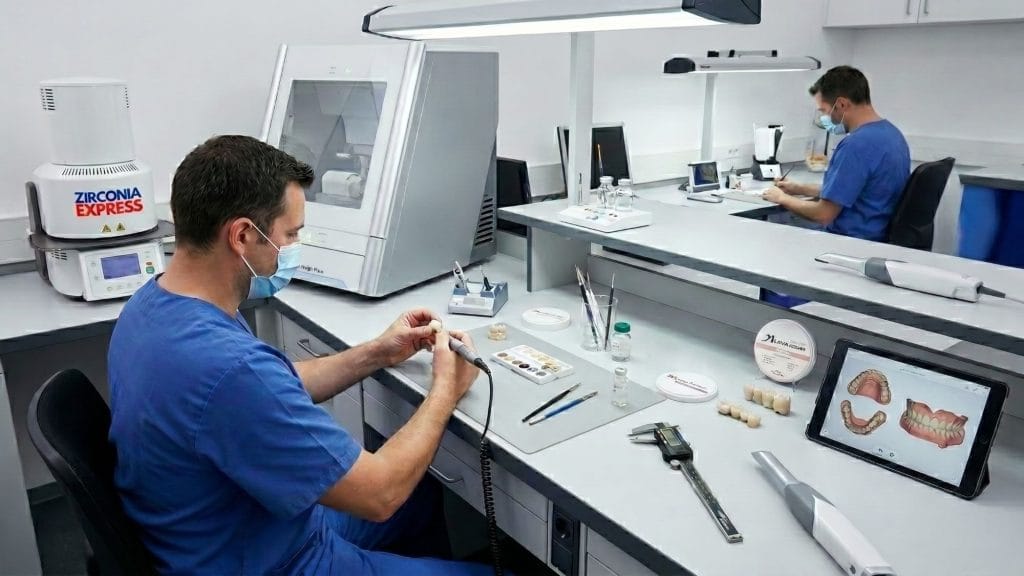
The dental market has shifted toward metal-free restorations and minimally invasive treatment planning. Patients increasingly compare their restorations to natural teeth and expect seamless integration.
Several factors contribute to the growing popularity of high translucency zirconia:
- Natural enamel-like appearance
- Reduced need for porcelain layering
- Lower risk of veneer chipping
- Improved patient satisfaction
- Excellent biocompatibility
- Long-term clinical reliability
Many dentists now prefer a high translucency zirconia crown for anterior and premolar restorations because it balances aesthetics and strength better than many alternative materials.
Material Science Behind High Translucency Zirconia
Understanding the science behind high translucency zirconia helps laboratories optimize their workflows.
Traditional zirconia primarily consists of tetragonal crystals. Modern translucent materials incorporate higher yttria concentrations, increasing cubic phase content. This adjustment reduces light scattering and improves translucency.
Typical material characteristics include:
| Parameter | Range |
| Flexural Strength | 650–1200 MPa |
| Fracture Toughness | 3–6 MPa√m |
| Light Transmittance | Significantly Increased |
| Biocompatibility | Excellent |
| Wear Resistance | High |
Although translucency increases, laboratories must remember that strength generally decreases with increasing translucency. Material selection should always match clinical requirements.
Case Selection for High Translucency Zirconia
Not every case requires the same zirconia formulation.
Ideal indications for high translucency zirconia include:
Anterior Crowns
Single central incisors, lateral incisors, and canines often benefit from enhanced aesthetics.
Premolar Restorations
Premolars demand both strength and appearance, making translucent zirconia a strong choice.
Cosmetic Smile Cases
Patients seeking highly aesthetic outcomes often prefer high translucency crowns that closely mimic natural enamel.
Monolithic Restorations
Many laboratories now recommend high translucency monolithic zirconia because it reduces chipping risks associated with layered ceramics.
Cases involving extreme bruxism or heavy occlusal loads may require higher-strength zirconia formulations.
CAD Design Considerations for High Translucency Zirconia
Proper digital design directly affects restoration success.
When designing restorations from high translucency zirconia, laboratories should focus on:
Minimum Thickness Requirements
Recommended ranges often include:
| Restoration Area | Suggested Thickness |
| Anterior | 0.8–1.0 mm |
| Premolar | 1.0–1.2 mm |
| Posterior | 1.2–1.5 mm |
Connector Dimensions
For bridges, sufficient connector size remains critical despite advances in material strength.
Typical recommendations:
- 9 mm² anterior connectors
- 12 mm² posterior connectors
Margin Design
Well-defined margins improve milling accuracy and restoration fit.
Preferred margin types:
- Rounded shoulder
- Deep chamfer
Sharp internal angles should be avoided because they can create stress concentration points.
Milling Strategies for High Translucency Zirconia
Successful milling begins long before the restoration reaches the furnace.
Key milling recommendations include:
Use Sharp Milling Tools
Worn burs create:
- Surface damage
- Microfractures
- Reduced translucency
- Poor marginal accuracy
Monitor Tool Life
Implement scheduled bur replacement protocols instead of waiting for visible performance decline.
Optimize Milling Paths
Smooth milling trajectories reduce stress on partially sintered zirconia and improve restoration quality.
Control Moisture Exposure
Excessive moisture can negatively affect some zirconia materials during processing.
Laboratories that maintain strict milling quality standards typically experience fewer remakes and adjustments.
Sintering Protocols for High Translucency Zirconia
Sintering is one of the most important stages in processing high translucency zirconia.
Even minor deviations from manufacturer recommendations can alter:
- Shade
- Strength
- Fit
- Translucency
Follow Manufacturer Instructions
Different zirconia brands require different sintering cycles.
Variables include:
- Heating rates
- Hold times
- Peak temperatures
- Cooling schedules
Avoid Furnace Overloading
Crowding restorations can create uneven temperature distribution.
Verify Furnace Calibration
Industry experts often recommend annual calibration checks to ensure temperature accuracy.
Monitor Shrinkage
Most zirconia materials experience approximately 20–25% shrinkage during sintering.
Modern CAD/CAM software compensates automatically, but furnace consistency remains essential.
Coloring and Staining High Translucency Zirconia
A major advantage of high translucency zirconia is its ability to produce highly aesthetic monolithic restorations.
To maximize results:
Use Layered Color Techniques
Natural teeth contain varying shades and translucencies.
Apply different stains strategically to replicate:
- Cervical warmth
- Body shade
- Incisal translucency
Avoid Over-Staining
Excessive stain application can reduce natural light transmission and create an artificial appearance.
Use Manufacturer-Matched Liquids
Coloring systems designed specifically for a zirconia brand often produce more predictable outcomes.
The goal is to create restorations that resemble natural teeth rather than visibly fabricated prosthetics.
Surface Finishing and Polishing
Surface quality affects aesthetics, plaque accumulation, and opposing tooth wear.
For zirconia high translucent restorations:
Fine Polishing Is Essential
A polished surface generally offers:
- Improved aesthetics
- Reduced plaque retention
- Enhanced patient comfort
- Lower antagonist wear
Use Multi-Step Systems
Most laboratories achieve optimal results using:
- Gross contouring
- Fine contouring
- Pre-polishing
- High-shine polishing
Minimize Aggressive Adjustments
Excessive grinding after sintering can compromise surface integrity and appearance.
Quality Control Checklist for High Translucency Zirconia
Consistent outcomes require systematic quality assurance.
Before shipping restorations, evaluate:
| Quality Check | Verification |
| Marginal Fit | Pass/Fail |
| Contact Areas | Pass/Fail |
| Occlusion | Pass/Fail |
| Shade Accuracy | Pass/Fail |
| Surface Finish | Pass/Fail |
| Structural Integrity | Pass/Fail |
| Prescription Compliance | Pass/Fail |
Laboratories that use standardized quality control protocols often achieve significantly lower remake rates.
High Translucency Monolithic Zirconia vs Layered Zirconia
Many dentists ask whether high translucency monolithic zirconia is better than layered zirconia.
Monolithic Zirconia Advantages
- Higher strength
- Reduced chipping risk
- Simplified manufacturing
- Faster turnaround
- Consistent performance
Layered Zirconia Advantages
- Maximum aesthetics
- Greater characterization options
- Enhanced depth effects
For most everyday cases, high translucency monolithic zirconia provides an excellent balance between durability and aesthetics.
Balancing Strength and Aesthetics
One common misconception is that translucency automatically means weakness.
In reality, modern high-strength zirconia formulations provide excellent clinical performance while maintaining impressive aesthetics.
Clinical decision-making should consider:
- Bite force
- Restoration location
- Span length
- Patient habits
- Cosmetic expectations
For many cases, a carefully selected high-strength zirconia material delivers both beauty and durability without compromise.
Common Processing Mistakes to Avoid
Even experienced laboratories can encounter challenges.
Avoid these common errors when working with high translucency zirconia:
Incorrect Thickness
Over-reduction weakens restorations and may affect aesthetics.
Improper Sintering
Temperature deviations can alter shade and translucency.
Over-Staining
Excess characterization often produces unnatural results.
Worn Milling Burs
Poor tool maintenance can reduce fit accuracy and surface quality.
Inadequate Polishing
Rough surfaces negatively affect both appearance and long-term performance.
Preventing these mistakes significantly improves consistency and customer satisfaction.
Industry Trends Shaping High Translucency Zirconia
Several trends are influencing laboratory workflows:
Increased Digital Adoption
Digital impressions continue to reduce inaccuracies associated with traditional models.
AI-Assisted Design
Artificial intelligence is improving restoration design speed and consistency.
Monolithic Restorations
Demand for monolithic zirconia continues to rise due to reliability and efficiency.
Enhanced Material Development
Manufacturers continue introducing new generations of high translucency zirconia with improved optical and mechanical properties.
Labs that adapt to these trends position themselves for long-term growth.
Order Dental Crowns and Bridges Through Zirconia Express
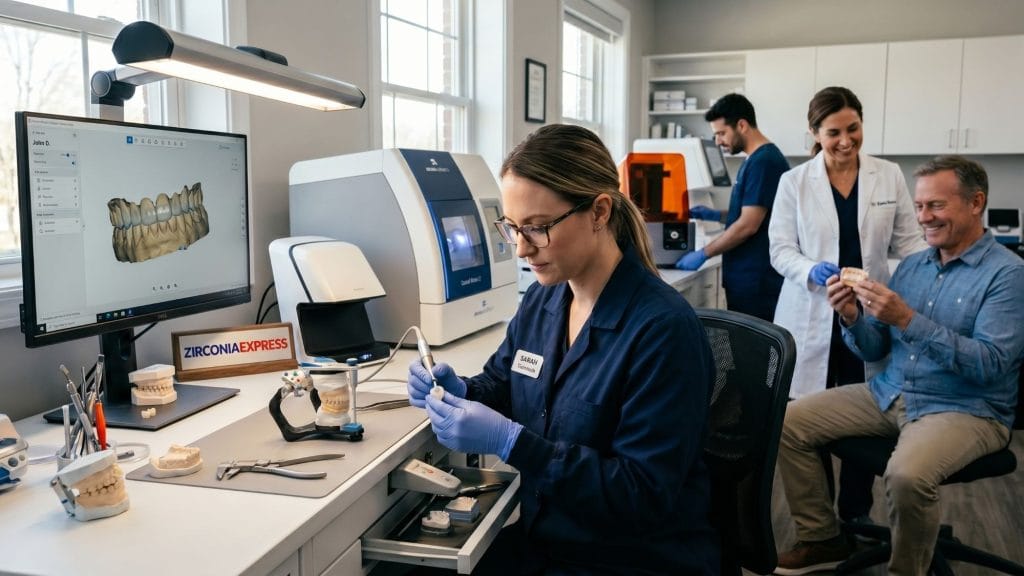
If your practice is looking for dependable restorative solutions, Zirconia Express offers a streamlined approach to modern dental laboratory services.
Dentists can order high-quality zirconia crowns and bridges backed by warranties of up to five years, helping provide confidence for both clinicians and patients. Every restoration is produced with a focus on precision, aesthetics, and long-term clinical performance.
For practices embracing digital dentistry, Zirconia Express also offers advanced digital case solutions powered by AI-driven design systems. These workflows help reduce turnaround times, improve consistency, and simplify case management. Dentists can choose from three distinct restoration shapes to better match patient anatomy and aesthetic goals.
Whether you need a single high translucency zirconia crown, multi-unit restorations, or a complete digital workflow solution, Zirconia Express provides the technology and support needed to enhance clinical efficiency and patient satisfaction.
Conclusion
The evolution of high translucency zirconia has transformed restorative dentistry. Dental laboratories now have access to materials capable of delivering exceptional aesthetics while maintaining the strength required for long-term success.
By focusing on proper case selection, CAD design, milling strategies, sintering protocols, staining techniques, and quality control measures, laboratories can consistently produce restorations that meet the growing expectations of dentists and patients alike.
As digital dentistry continues advancing, high translucency zirconia crowns will remain one of the most important materials in modern restorative workflows. Laboratories that master their processing requirements will be better positioned to deliver predictable, high-quality outcomes and build stronger relationships with their dental clients.
FAQ’s
What is high translucency zirconia used for?
High translucency zirconia is used for crowns, bridges, and implant restorations. It provides a natural appearance while maintaining excellent durability.
Is a high translucency zirconia crown strong?
Yes, a high translucency zirconia crown offers strong clinical performance. It combines aesthetics with reliable everyday function.
What are the benefits of high translucency monolithic zirconia?
High translucency monolithic zirconia reduces the risk of porcelain chipping. It also delivers strength and natural-looking results.
How does zirconia compare to lithium disilicate?
Zirconia is generally stronger, while lithium disilicate may offer slightly higher translucency. The ideal choice depends on the clinical case.
Can high translucency crowns be used on back teeth?
Yes, high translucency crowns are suitable for many posterior restorations. They provide a good balance of strength and aesthetics.
Does staining affect zirconia translucency?
Excessive staining can reduce translucency. Proper staining techniques help maintain a natural appearance.